
Baazex
Insights

Blog

Market structure, risk, and trading discipline — educational notes from the Baazex desk. Not investment advice.

Latest articles

Short reads on how markets move and how to stay in control of risk.

Forex vs CFD Trading: What Is the Difference?
Insights

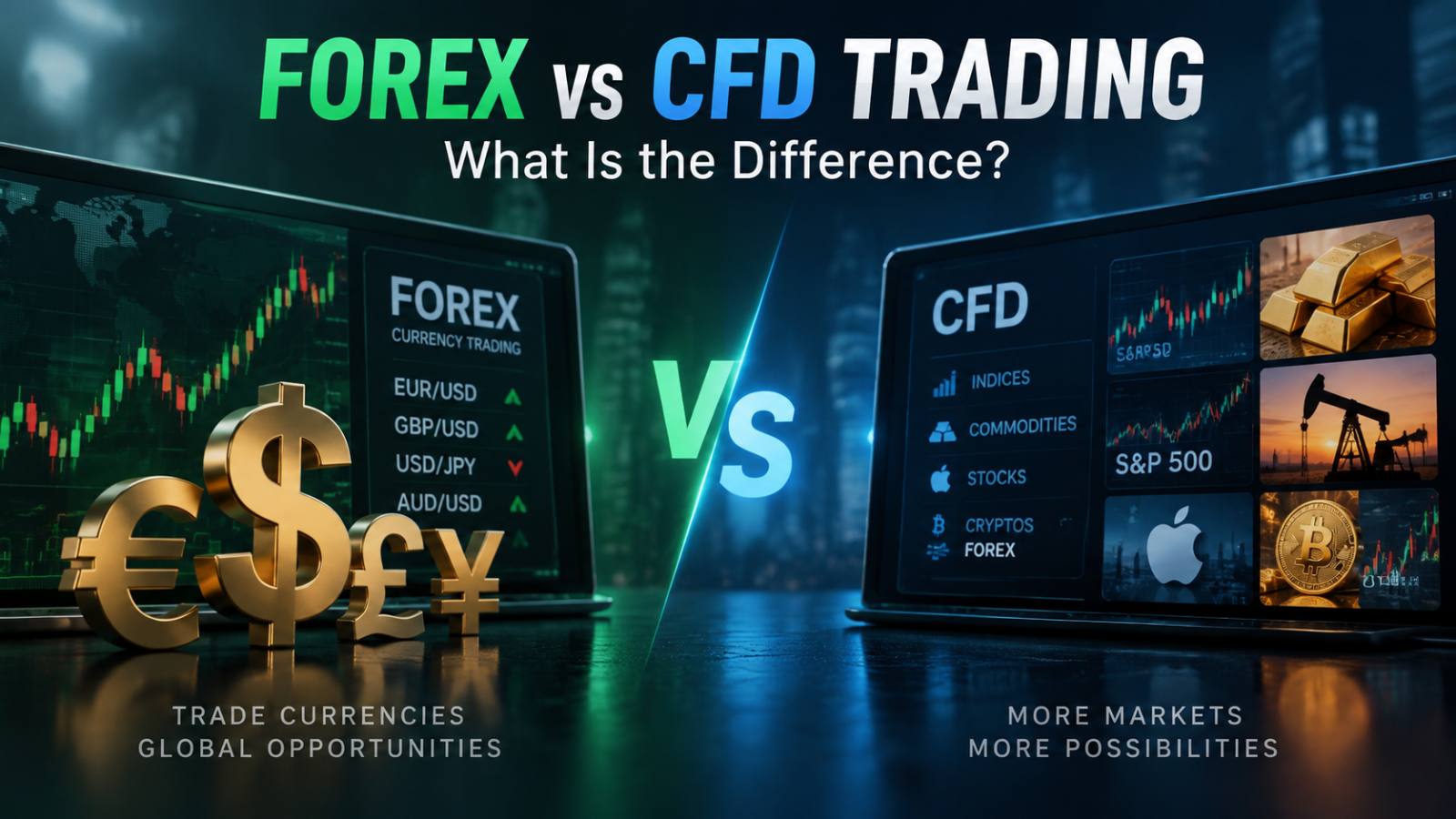
Forex vs CFD Trading: What Is the Difference?

The simplest way to understand the difference is this: Forex refers to the market where currencies are traded, while CFD refers to a type of trading contract that allows you to speculate on price movements without owning the actual asset.

Both Forex and CFDs allow traders to benefit from rising or falling prices, often using leverage. However, the assets available, trading structure, risks, and strategies can be quite different. Understanding these differences helps traders choose the right approach according to their goals.

Read article
What Is CFD Trading? A Beginner’s Guide to Contracts for Difference
Insights

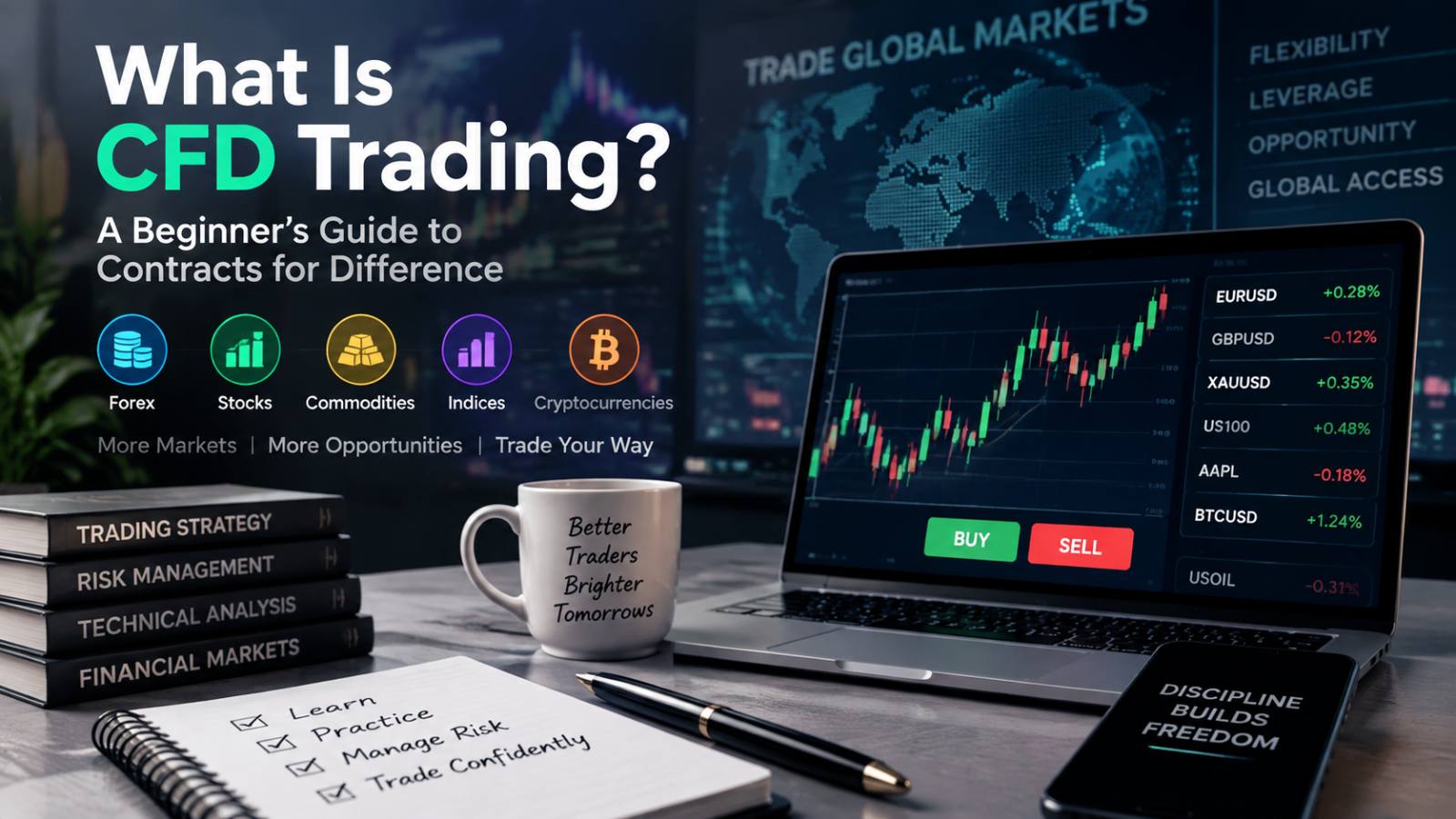
What Is CFD Trading? A Beginner’s Guide to Contracts for Difference

CFD stands for Contract for Difference. It is a financial agreement between a trader and a broker where both parties exchange the difference in an asset’s price between the time a trade is opened and the time it is closed.

The important point is that when trading CFDs, you do not actually own the underlying asset. Instead, you are only speculating on whether its price will rise or fall. For example, if you trade a CFD based on gold, you do not buy physical gold. You simply open a position based on your prediction of gold’s price movement. 

Read article
What Is Volatility in Trading? How Market Movement Affects Risk
Insights

What Is Volatility in Trading? How Market Movement Affects Risk

In trading, price movement is everything. Every profit, every loss, and every trading decision depends on how much the market moves and how quickly it changes direction. This movement is known as volatility.

Read article
What Is Market Liquidity and Why Does It Matter to Forex Traders?
Insights

What Is Market Liquidity and Why Does It Matter to Forex Traders?

Liquidity is one of the reasons why some trades are executed smoothly while others experience delays, wider spreads, or unexpected price movements. A trader may have the perfect strategy, but if the market does not have enough buyers and sellers at the right moment, execution quality can suffer.
In simple terms, market liquidity refers to how easily an asset can be bought or sold without causing a significant change in its price. A highly liquid market has many active participants, meaning orders can usually be matched quickly and efficiently.

Read article
What Is Slippage in Trading? Why Execution Price Can Change
Insights

What Is Slippage in Trading? Why Execution Price Can Change

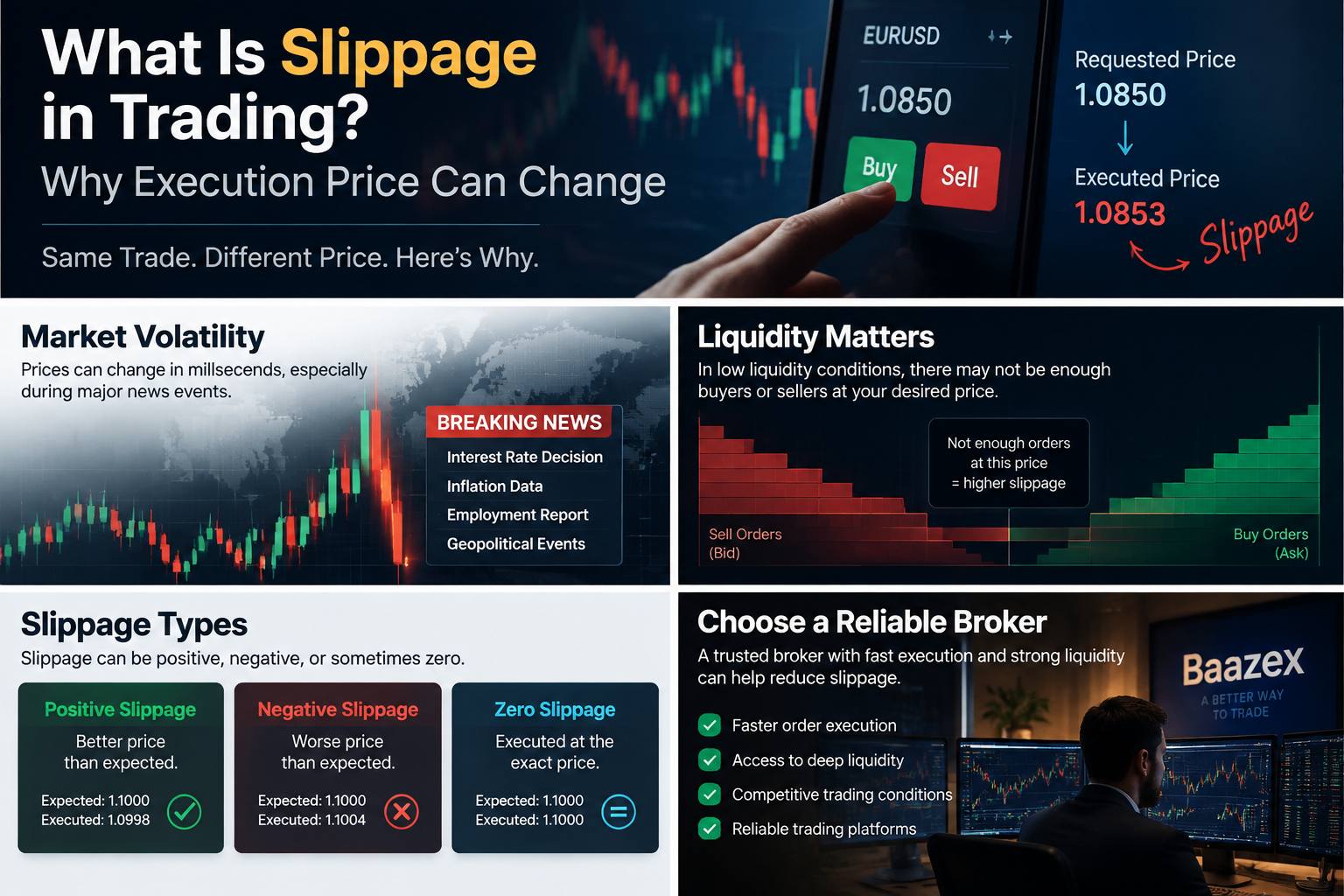
Slippage is one of those trading concepts that becomes more important as traders move from demo accounts to live markets. It can affect entry points, stop-loss orders, take-profit levels, and overall trading performance. While small amounts of slippage may not matter much for long-term traders, it can significantly impact scalpers and high-frequency traders who depend on precise execution.

Read article
What Is a Stop-Loss Order? How It Helps Manage Trading Risk
Insights

What Is a Stop-Loss Order? How It Helps Manage Trading Risk

A stop-loss order is designed to limit potential losses by automatically closing a trade when the price reaches a specific level chosen by the trader. Instead of allowing a losing position to continue moving against them, traders use stop-loss orders to create a clear exit point before entering the market.

Read article
Market Order vs Limit Order vs Stop Order: Key Differences Explained
Insights

Market Order vs Limit Order vs Stop Order: Key Differences Explained

Three of the most commonly used order types in forex trading are market orders, limit orders, and stop orders. Each order serves a different purpose depending on the trader’s strategy, market conditions, and risk tolerance.

Read article
What Are Swap Fees in Forex? Overnight Financing Explained
Insights

What Are Swap Fees in Forex? Overnight Financing Explained

Forex trading is not only about predicting whether a currency pair will rise or fall. While most traders focus on spreads, commissions, entry points, and market analysis, there is another important cost that can directly affect trading results, especially for traders who keep positions open for several days. This cost is known as a swap fee or overnight financing charge.

Read article
Spreads vs Commissions in Forex: Understanding Trading Costs
Insights

Spreads vs Commissions in Forex: Understanding Trading Costs

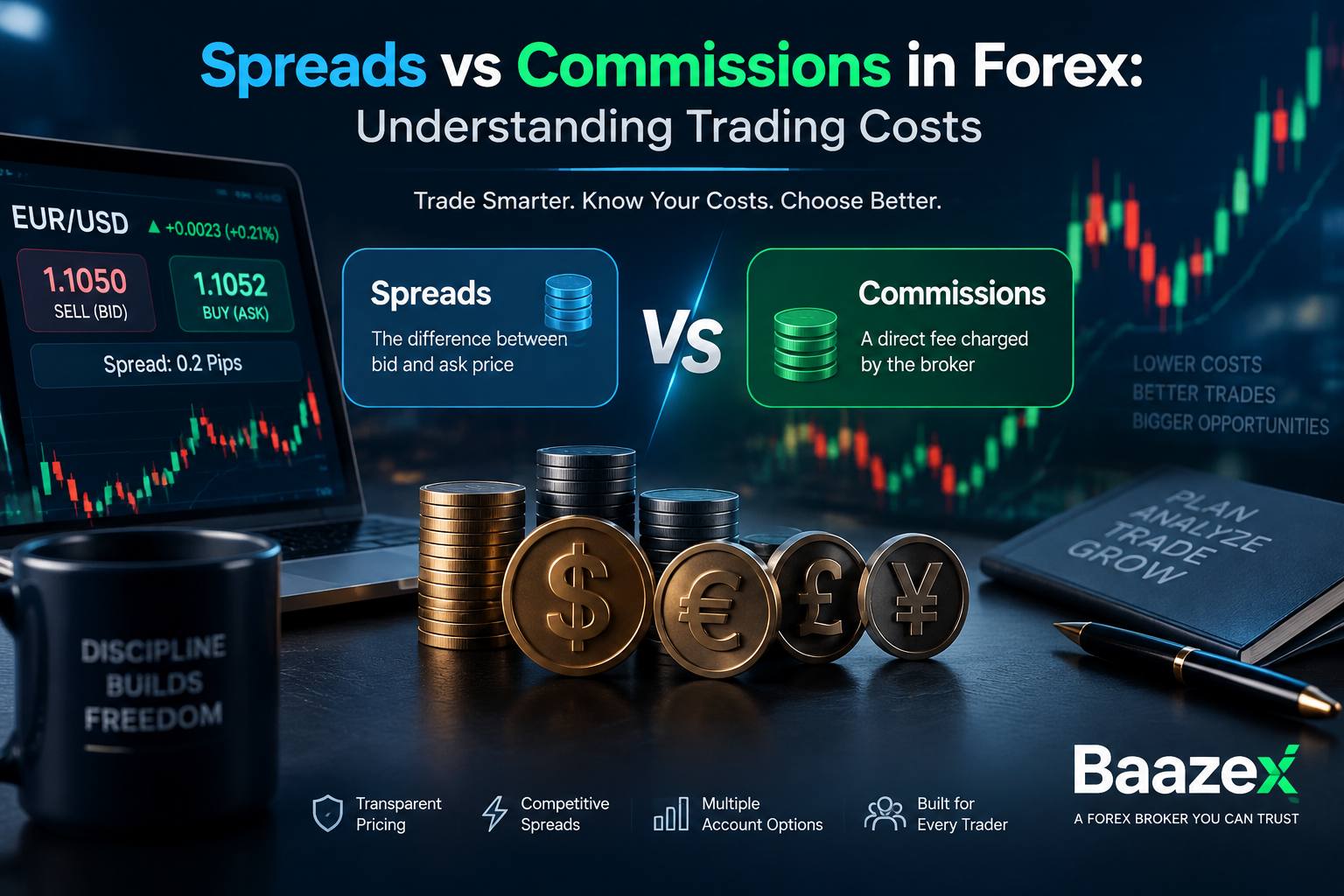
When you open a position, you are usually not entering the market at the exact price shown on the chart. Instead, there is a small difference between the buying price and selling price. This difference represents one of the primary costs of forex trading.

Read article
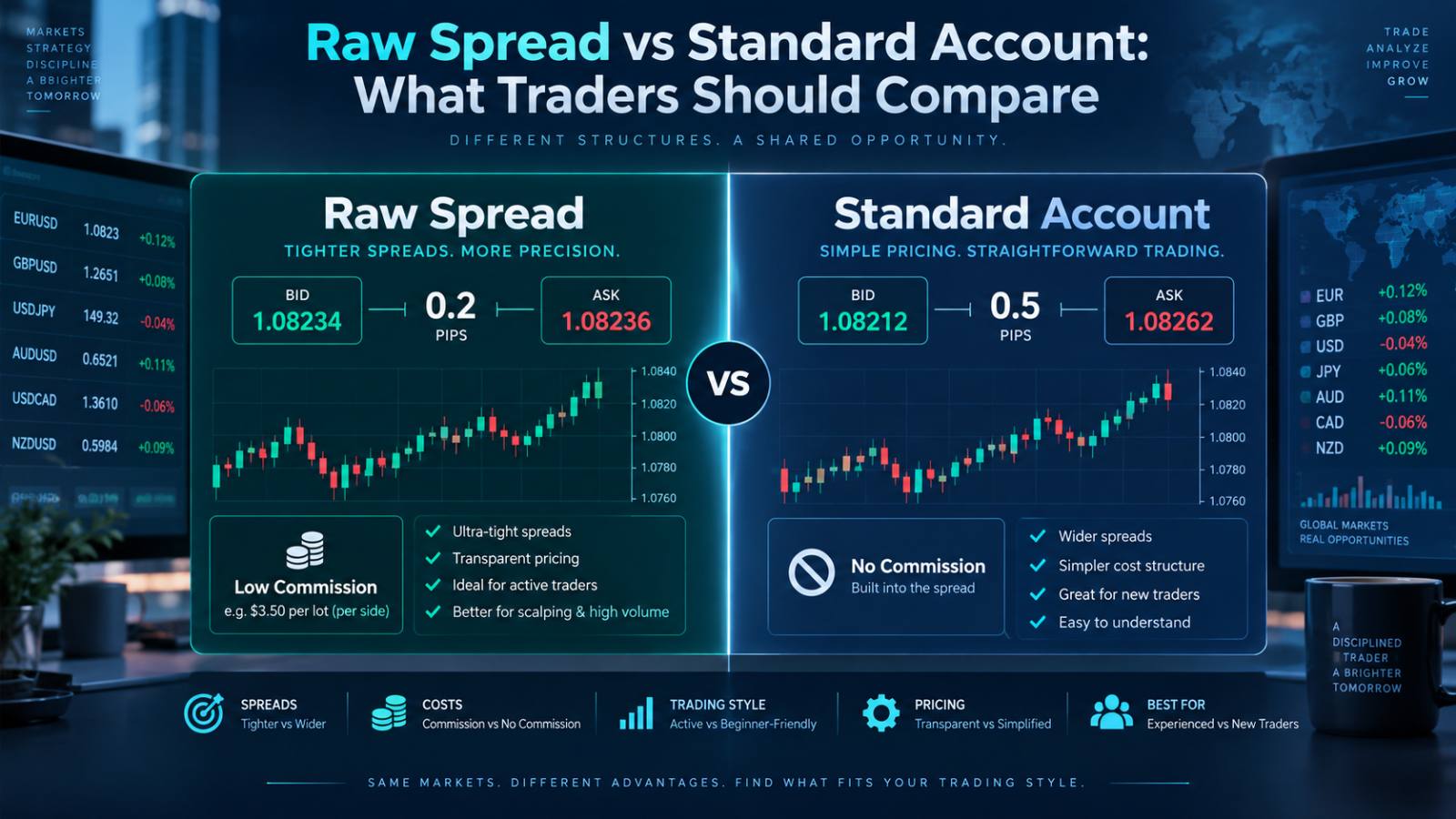
Raw Spread vs Standard Account: What Traders Should Compare
Insights

Raw Spread vs Standard Account: What Traders Should Compare

Two of the most common choices are Raw Spread accounts and Standard accounts. Although both accounts provide access to the same forex market, they work differently in terms of spreads, commissions, trading costs, and suitability for different trading styles.
Read article
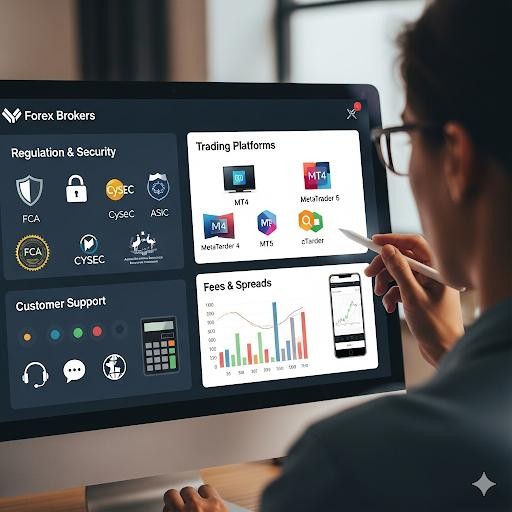
How to Choose a Forex Broker: 10 Factors Traders Should Compare
Insights

How to Choose a Forex Broker: 10 Factors Traders Should Compare

With hundreds of brokers available online, selecting the right one can become confusing. Some brokers attract traders with attractive promotions, while others focus on technology, security, education, and competitive trading conditions.

Read article
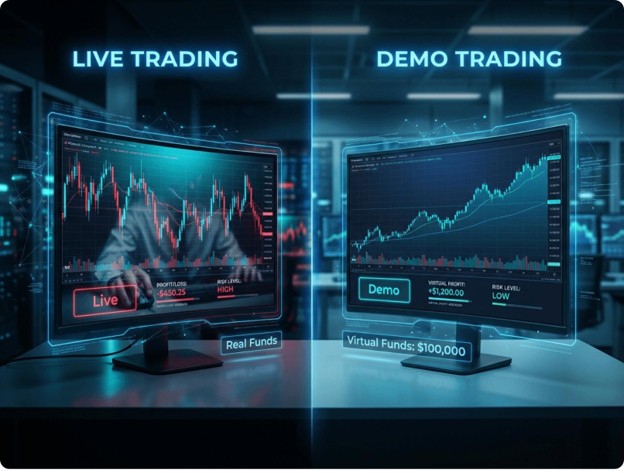
Demo Account vs Live Trading Account: What Is the Difference?
Insights

Demo Account vs Live Trading Account: What Is the Difference?

A demo account allows traders to practice without financial risk, while a live account involves real capital and real consequences. Understanding the differences between these two accounts can help beginners make better decisions and build stronger trading habits.

Read article
10 Common Forex Trading Mistakes Beginners Should Avoid
Insights

10 Common Forex Trading Mistakes Beginners Should Avoid

Many beginners enter forex with excitement but without proper preparation. They focus heavily on making profits while ignoring the habits, discipline, and risk management skills required to survive in the market. The reality is that most early trading losses are not caused by a lack of intelligence; they happen because traders repeat common mistakes that could have been avoided with proper knowledge and planning. 

Read article
How to Avoid Overtrading: 8 Habits for More Disciplined Trading
Insights

How to Avoid Overtrading: 8 Habits for More Disciplined Trading

Overtrading happens when traders enter more trades than their strategy actually supports. These trades are often driven by emotions such as boredom, fear of missing out (FOMO), revenge after losses, or the desire to recover money quickly. Instead of improving results, excessive trading usually increases costs, emotional pressure, and the chances of making poor decisions.

Read article
Trading Psychology: How Emotions Can Affect Your Trading Decisions
Insights

Trading Psychology: How Emotions Can Affect Your Trading Decisions

Trading psychology refers to the emotional and mental factors that influence a trader’s decisions before, during, and after a trade. Every trading decision involves some level of emotion because money is directly involved. Unlike a normal learning activity, trading creates a psychological connection between decisions and financial outcomes.

Read article
What Is Swing Trading? A Beginner’s Guide to Multi-Day Market Positions
Insights

What Is Swing Trading? A Beginner’s Guide to Multi-Day Market Positions

Swing trading focuses on capturing medium-term price movements by holding positions for several days to a few weeks. Instead of reacting to every small market fluctuation, swing traders aim to identify meaningful price swings and benefit from larger market movements.

Read article
What Is Scalping in Forex? Strategy, Risks and Market Conditions
Insights

What Is Scalping in Forex? Strategy, Risks and Market Conditions

Scalping is a trading style where traders attempt to profit from small price movements by opening and closing multiple trades within a short period. Instead of waiting for large market trends, scalpers aim to capture small gains repeatedly throughout a trading session.

Read article
Day Trading vs Swing Trading: Which Style Fits You Better?
Insights

Day Trading vs Swing Trading: Which Style Fits You Better?

Both styles attempt to profit from price movements, but they require completely different mindsets, time commitments, and risk management approaches. Day trading focuses on capturing smaller price movements within a single trading session, while swing trading aims to capture larger market moves over several days or weeks.
Read article
How to Build a Forex Trading Plan: A Practical Checklist for Traders
Insights

How to Build a Forex Trading Plan: A Practical Checklist for Traders

A trading plan is what separates a disciplined trader from someone who simply reacts to market movements. The forex market changes every day. Prices move because of economic data, interest rate decisions, geopolitical events, and changes in investor sentiment. Without a clear plan, traders often make decisions based on emotions rather than logic.

Read article
What Is Take Profit in Trading and How Does It Work?
Insights

What Is Take Profit in Trading and How Does It Work?

A take-profit order allows traders to automatically close a position once the market reaches a predetermined profit level. Instead of relying on emotions or constantly monitoring charts, traders can define their target before entering the trade and allow the platform to execute the exit automatically.

Read article
How to Calculate Position Size in Forex Without Over-Risking
Insights

How to Calculate Position Size in Forex Without Over-Risking

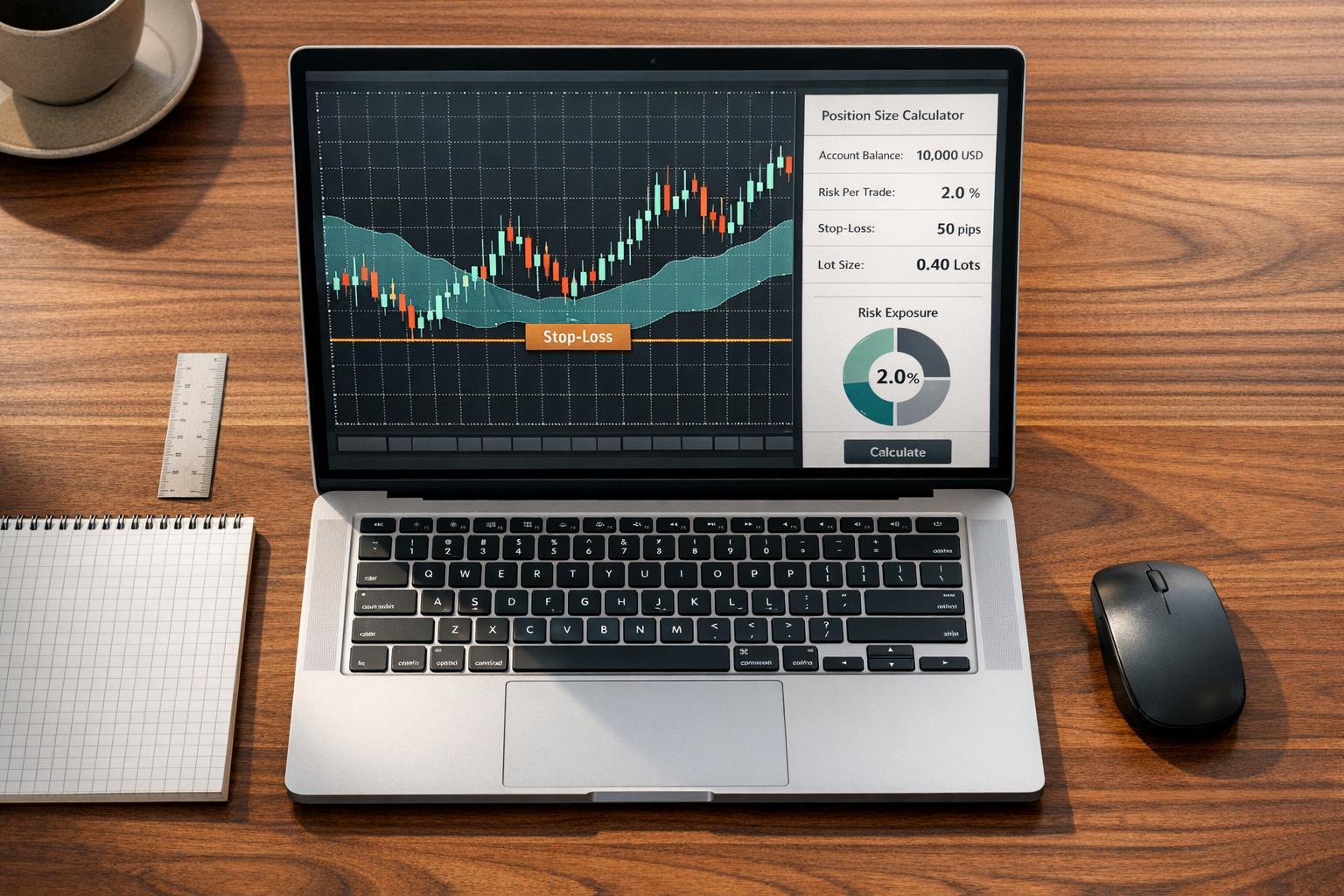
Position size determines how much currency you buy or sell in a trade. It directly affects how much money you can gain or lose when the market moves. Calculating the correct position size allows traders to participate in the forex market without exposing their entire account to unnecessary risk.

Read article
What Is Risk Management in Trading? Essential Rules for Beginners
Insights

What Is Risk Management in Trading? Essential Rules for Beginners

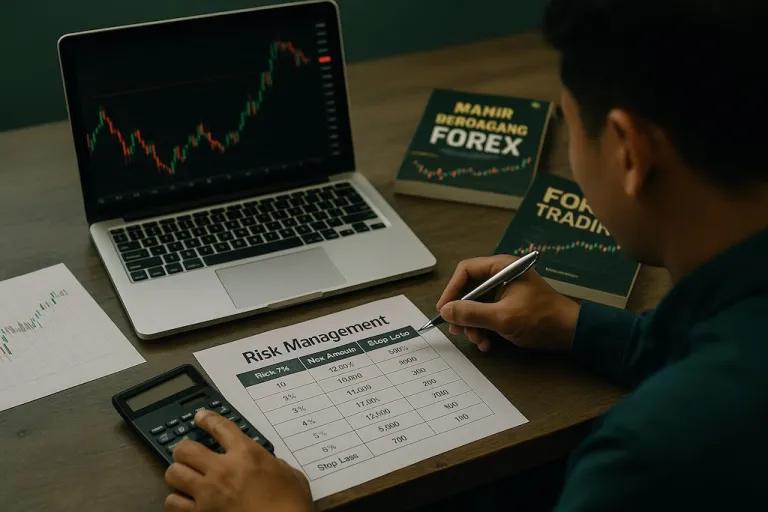
Risk management is the process of controlling potential losses while trading. It involves making smart decisions about how much money to risk, where to place stop-loss orders, how much leverage to use, and how to protect trading capital during uncertain market conditions.

Read article
What Moves the US Dollar? Key Factors Every Forex Trader Should Watch
Insights

What Moves the US Dollar? Key Factors Every Forex Trader Should Watch

The USD does not move randomly. Behind every major trend, there are usually clear reasons. A stronger economy, higher interest rates, rising investor demand, or global uncertainty can increase demand for the dollar. On the other hand, weaker economic data, lower interest rates, or reduced confidence can put pressure on the currency.

Read article
How Central Bank Decisions Affect Forex Traders
Insights

How Central Bank Decisions Affect Forex Traders

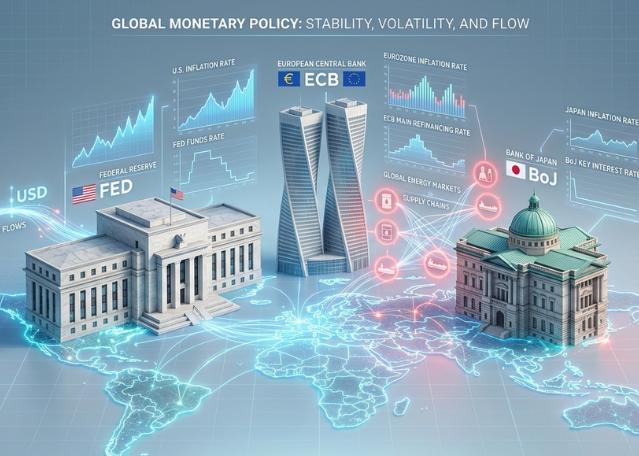
The forex market is often described as a place where currencies move because of economic data, political events, and global sentiment. While all of these factors matter, one force consistently stands above many others: central bank decisions.

Read article
What Is Nonfarm Payrolls (NFP) and Why Does It Move Forex Markets?
Insights

What Is Nonfarm Payrolls (NFP) and Why Does It Move Forex Markets?

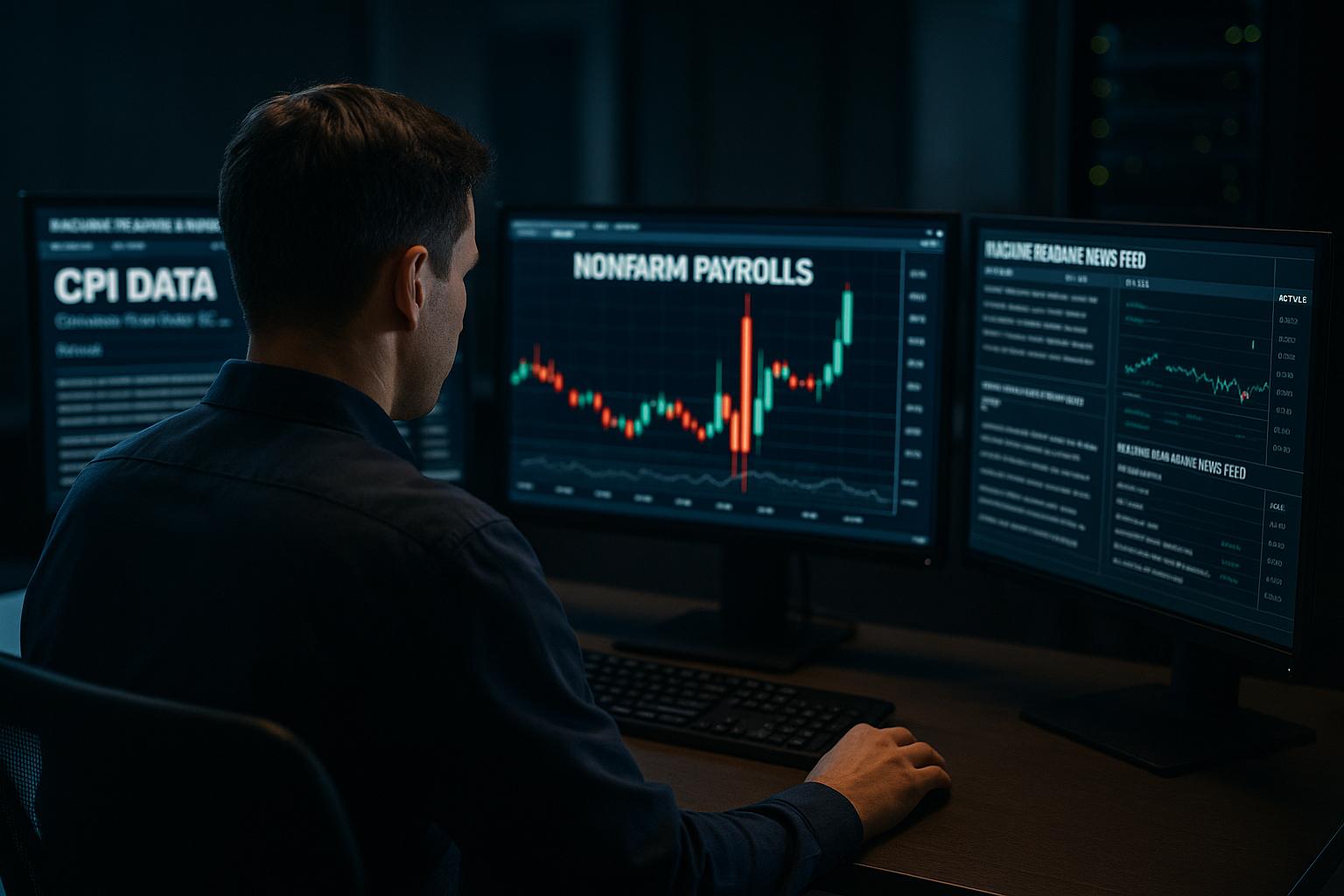
Nonfarm Payrolls, commonly known as NFP, is a monthly economic report released by the United States Bureau of Labor Statistics. It measures the change in the number of employed people in the United States, excluding agricultural workers, private household employees, government workers in some categories, and nonprofit organization employees.

Read article
How Inflation Data Affects Forex: Understanding CPI and Currency Moves
Insights

How Inflation Data Affects Forex: Understanding CPI and Currency Moves

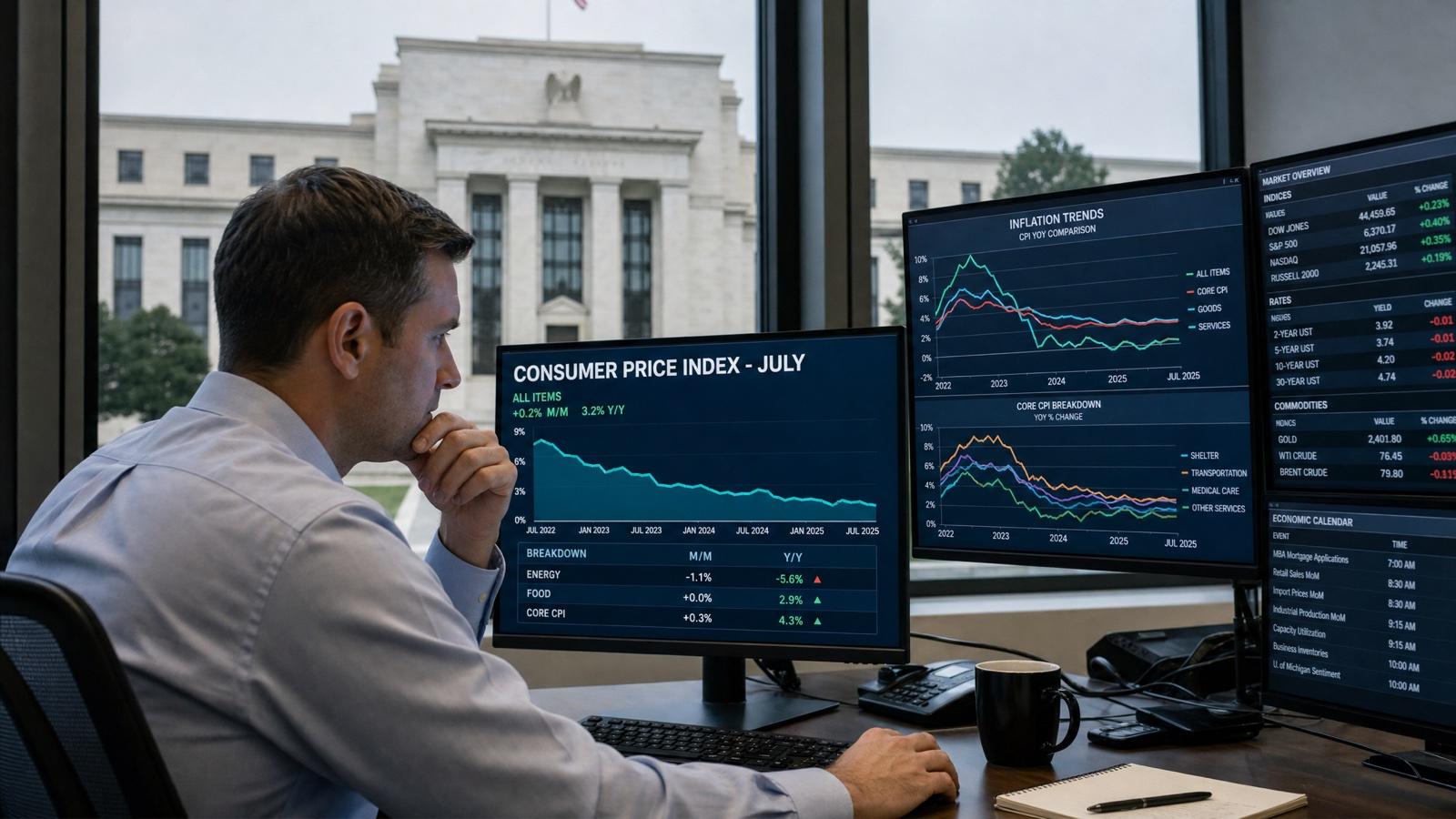
The forex market is highly sensitive to inflation because inflation directly affects interest rate decisions. Central banks use interest rates as their main tool to control inflation. When inflation rises too quickly, central banks may increase interest rates to slow down spending and reduce price pressures. When inflation falls or economic growth weakens, central banks may reduce interest rates to encourage borrowing and investment. Since interest rates strongly influence currency demand, CPI data can create significant movements in forex markets.

Read article
How Interest Rates Affect Forex Markets and Currency Prices
Insights

How Interest Rates Affect Forex Markets and Currency Prices

Higher interest rates can attract foreign investors seeking better returns, increasing demand for that currency. Major institutions such as the Federal Reserve, European Central Bank, and Bank of England often create significant market movements.

Read article
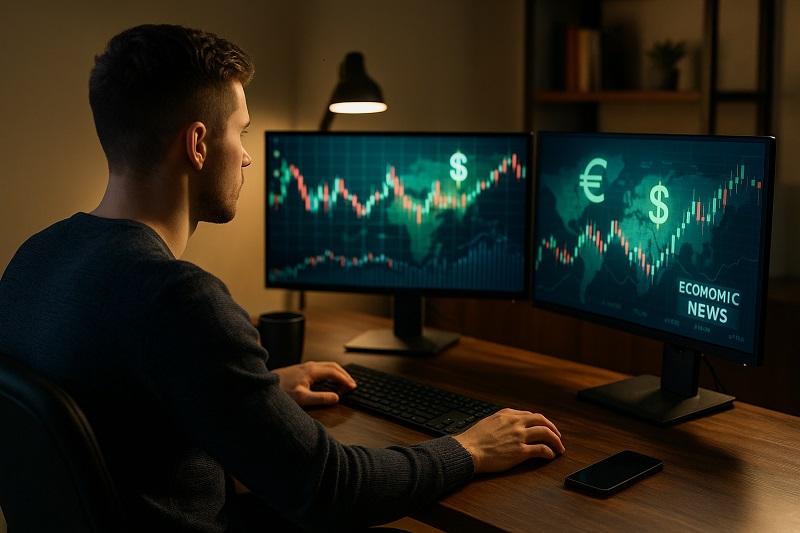
How to Use an Economic Calendar for Forex and CFD Trading
Insights

How to Use an Economic Calendar for Forex and CFD Trading

The forex market is highly influenced by economic conditions. Currency values are closely connected to the strength of a country’s economy, monetary policy, inflation levels, and political stability. For example, if economic data shows that a country’s economy is performing better than expected, investors may become more interested in that currency. Increased demand can cause the currency value to rise.

Read article
Fundamental Analysis vs Technical Analysis: What Is the Difference?
Insights

Fundamental Analysis vs Technical Analysis: What Is the Difference?

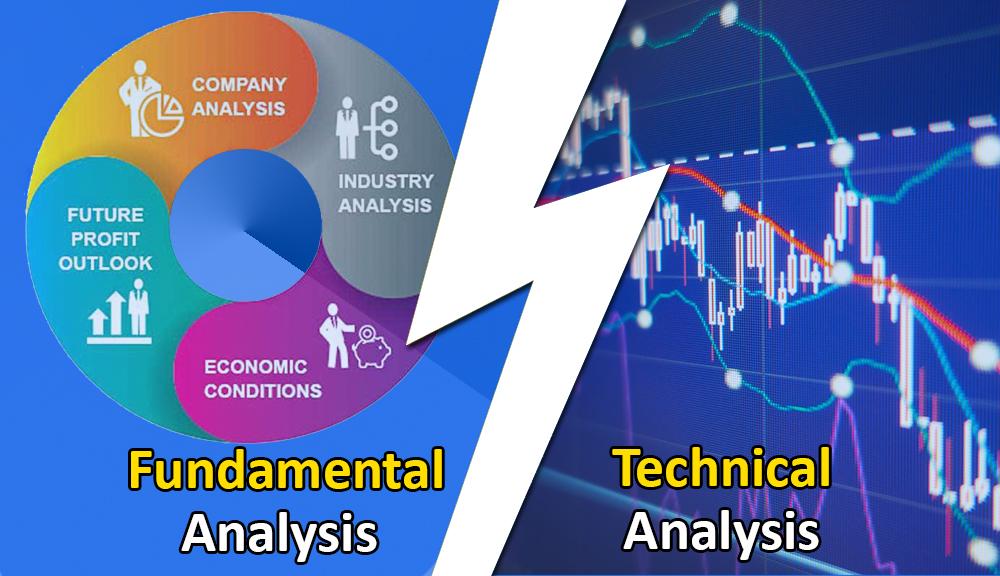
Both methods are designed to help traders understand market opportunities, but they look at the market from completely different perspectives. Fundamental analysis focuses on the actual value and financial strength of an asset, while technical analysis studies price movements, patterns, and market behavior.

Read article
What Is Technical Analysis in Trading? A Beginner-Friendly Guide
Insights

What Is Technical Analysis in Trading? A Beginner-Friendly Guide

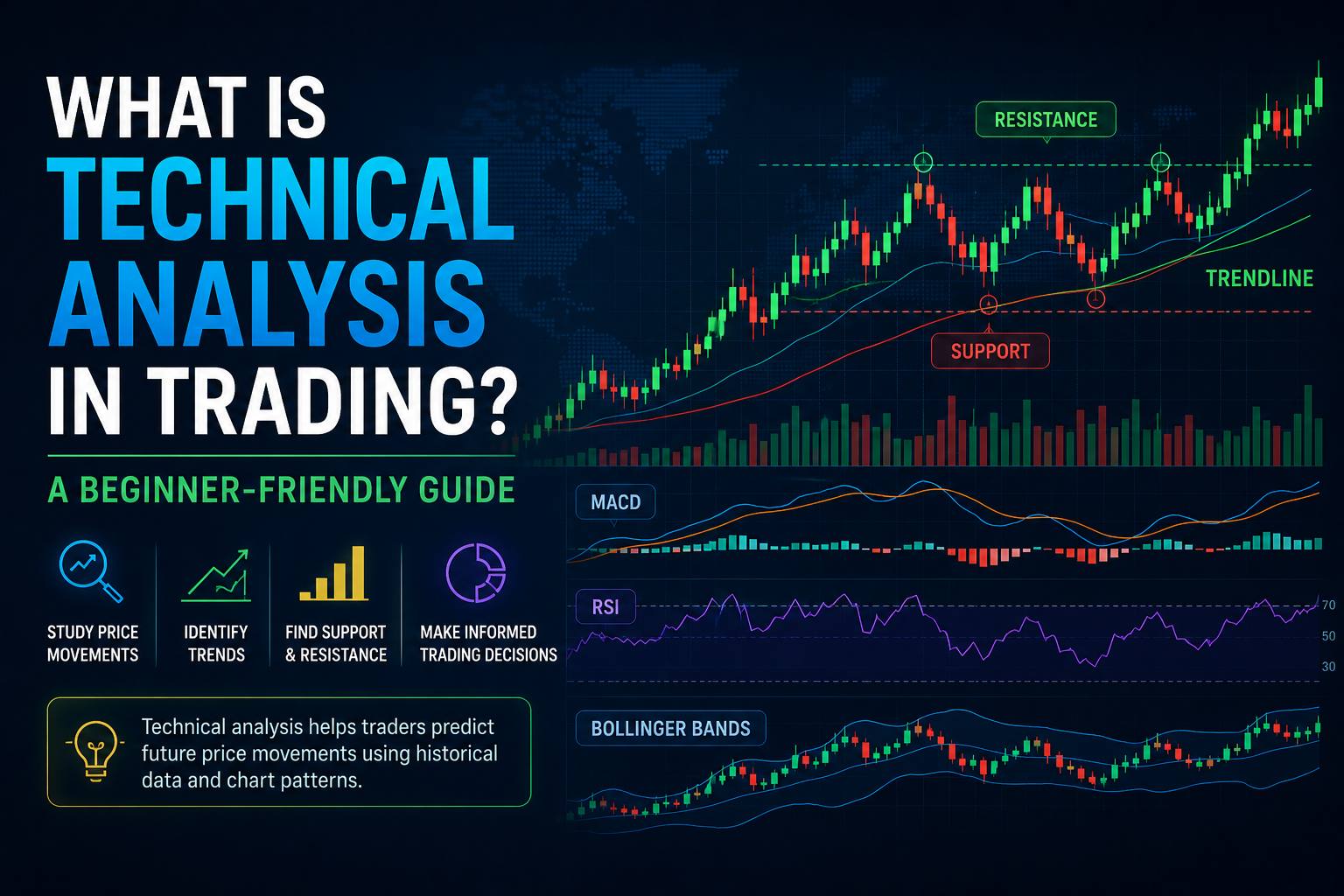
At its core, technical analysis is the process of studying price movements and market data on a chart to identify patterns, trends, momentum, and potential trading opportunities. It is based on the idea that historical price behavior can provide useful clues about what the market might do next.

Read article
Support and Resistance in Forex: How Traders Identify Key Price Levels
Insights

Support and Resistance in Forex: How Traders Identify Key Price Levels

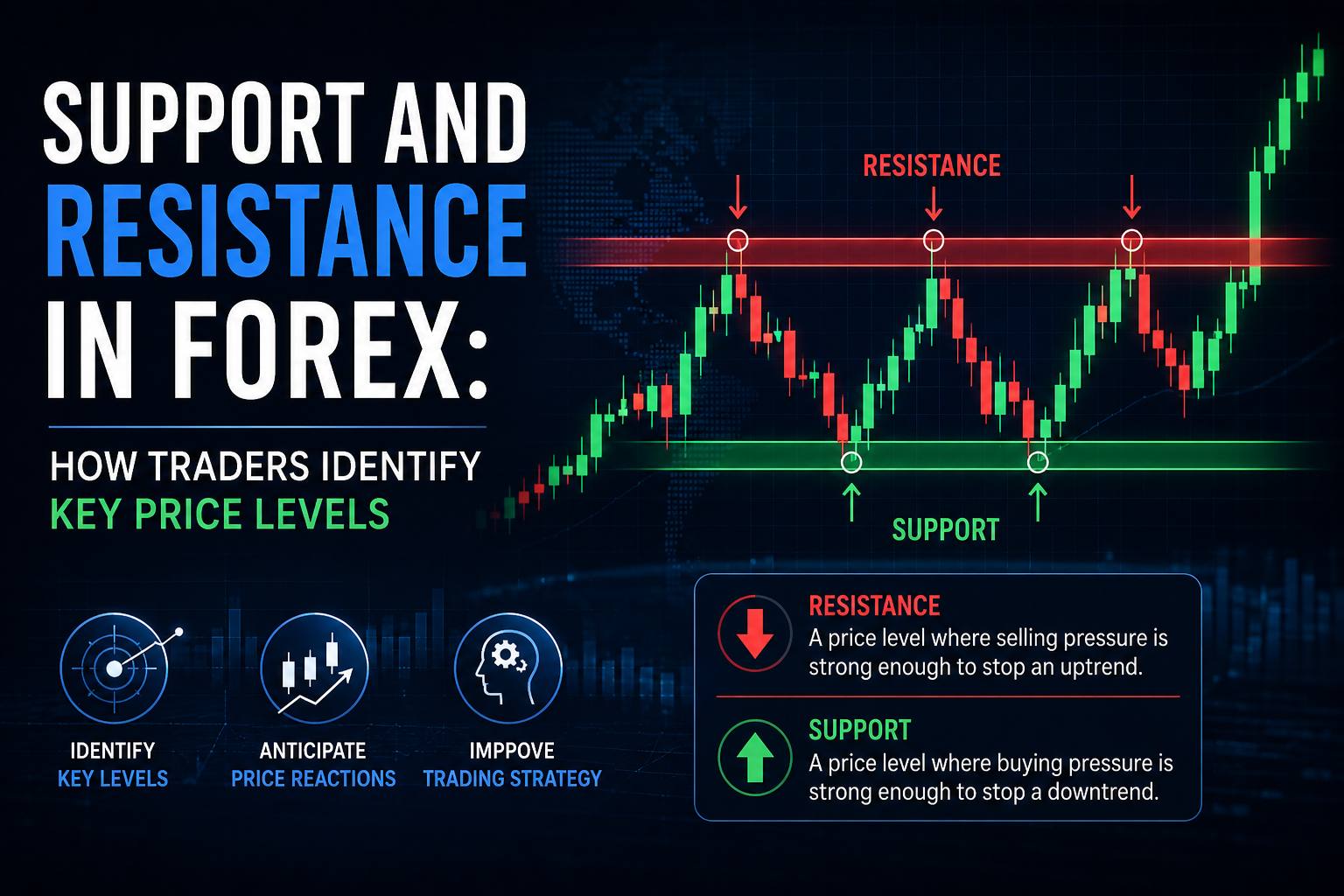
Instead of trying to predict every single move, traders use these levels to understand where price has previously reacted and where it may react again. Support can act like a floor beneath price, while resistance can act like a ceiling above it. These areas are widely used in technical analysis to identify potential entries, exits, stop-loss locations, and breakout opportunities.
Read article
How to Read a Forex Chart: Candlesticks, Trends and Price Action
Insights

How to Read a Forex Chart: Candlesticks, Trends and Price Action

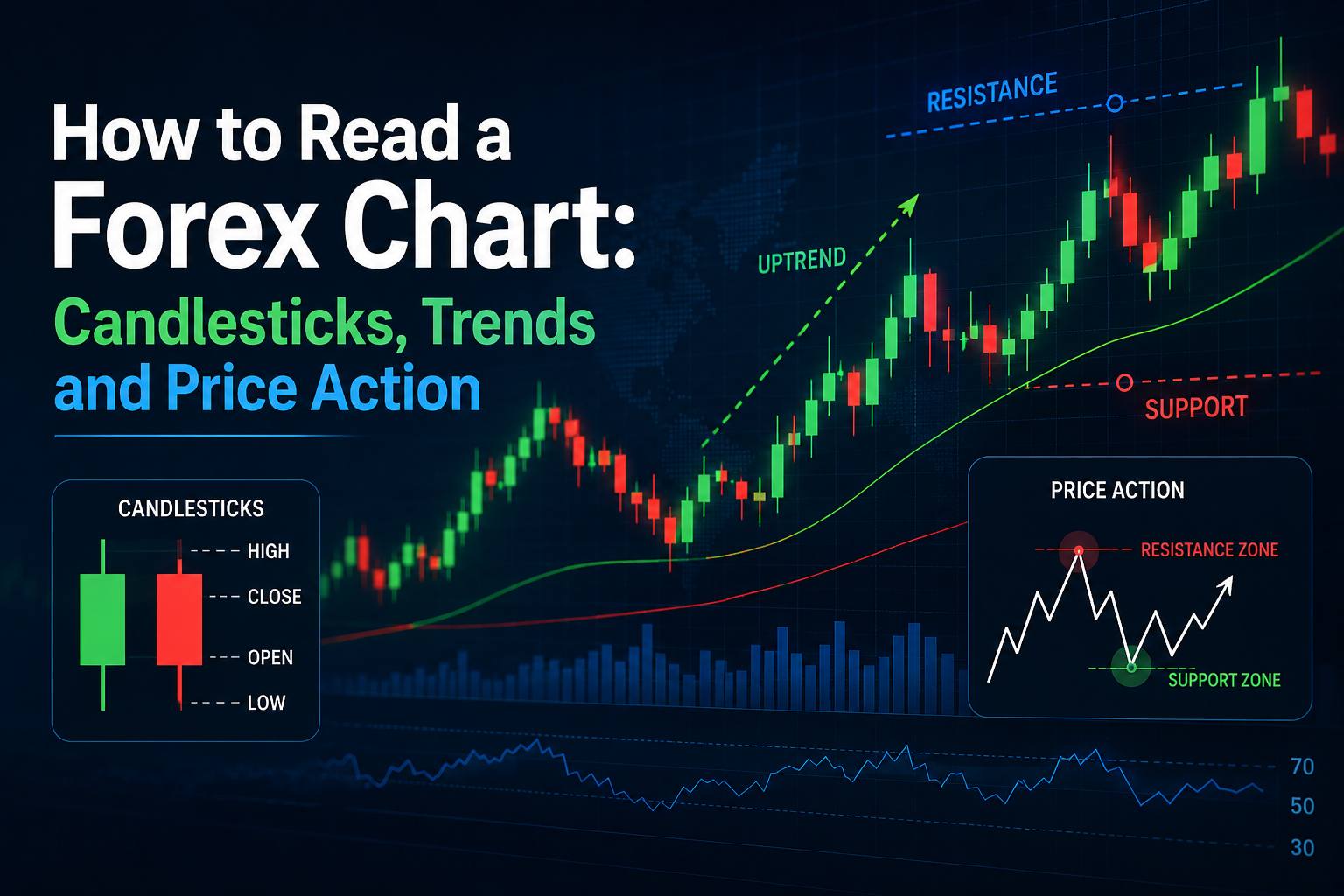
A forex chart shows the movement of a currency pair over a specific period. Take EUR/USD as an example. The chart tracks how many US dollars are needed to buy one euro and shows how that exchange rate changes over time. The horizontal axis represents time, while the vertical axis represents price. Depending on the timeframe you select, each candle can represent anything from a minute to an entire day, week, or even longer.

Read article
What Is the Best Time to Trade Forex? Understanding Market Liquidity
Insights

What Is the Best Time to Trade Forex? Understanding Market Liquidity

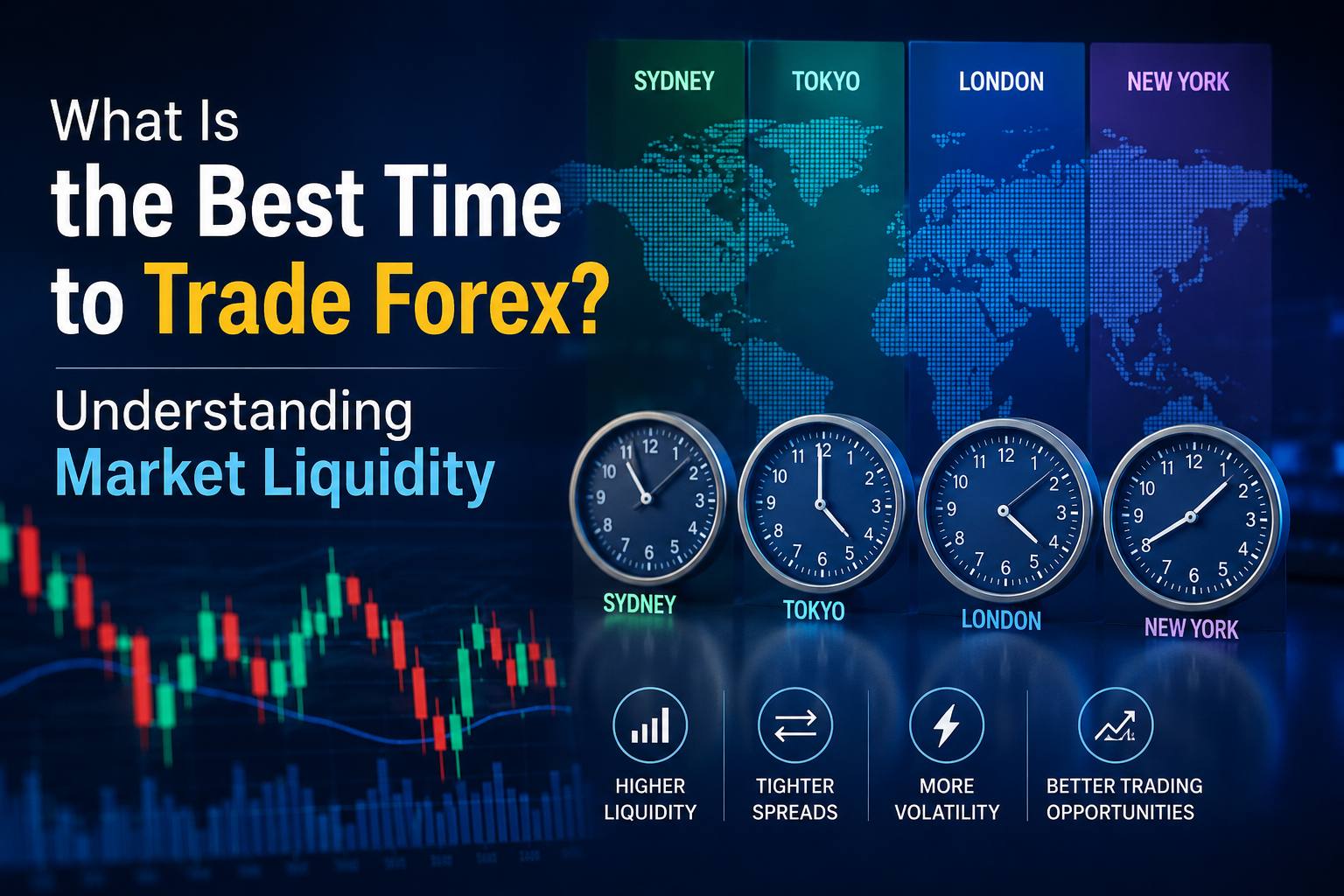
When traders talk about the "best" time to trade forex, they're usually referring to periods when the market has enough liquidity and volatility to create meaningful price movement.

These two concepts are closely related, but they're not the same thing.

Liquidity refers to how easily a currency can be bought or sold without causing a major change in its price. When there are plenty of buyers and sellers in the market, trades can generally be executed more efficiently.

Volatility, on the other hand, describes how much and how quickly prices are moving.

The London-New York overlap is often considered one of the best periods because of its high liquidity and market activity. However, the ideal time depends on your strategy and currency pair.

Read article
Forex Market Hours Explained: Asian, London and New York Sessions
Insights

Forex Market Hours Explained: Asian, London and New York Sessions

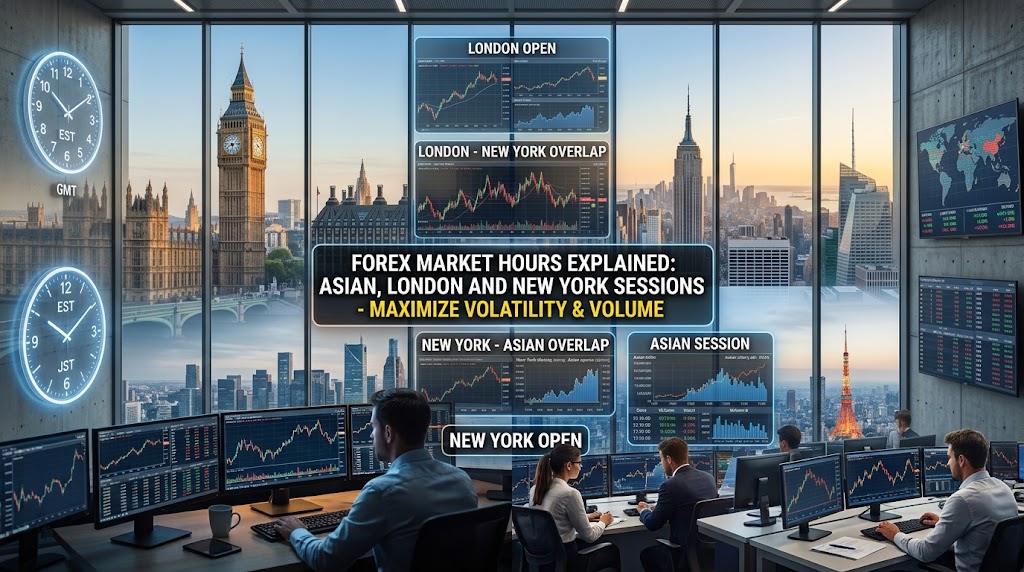
Forex market hours refer to the periods when the major financial centers around the world are actively trading currencies. Unlike the stock market, forex operates across different time zones. When trading winds down in one major financial center, another is already getting started.

Read article
What Is a Forex Broker and How Does Online Forex Trading Work?
Insights

What Is a Forex Broker and How Does Online Forex Trading Work?

In simple terms, a forex broker is a company that gives traders access to the foreign exchange market. Through the broker’s trading platform, you can buy and sell currency pairs such as EUR/USD, GBP/USD, or USD/JPY.

Think of a forex broker as the connection between you and the forex market. Instead of directly dealing with banks and large financial institutions, individual traders normally use a broker to place their trades.

Read article
What Is a Pip in Forex Trading and How Is Pip Value Calculated?
Insights

What Is a Pip in Forex Trading and How Is Pip Value Calculated?

When learning about forex trading, the term “pip” is frequently encountered. A pip is a standard unit of measurement used to quantify changes in currency prices and determine the extent of a trade’s movement. Even a relatively small price movement can influence the profit or loss of a position, depending on its size. But what is a pip in forex, and how is its value calculated? Understanding this fundamental concept enables traders to assess positions more accurately and manage risk effectively.

Read article
What Are Currency Pairs in Forex? Majors, Minors and Exotics Explained
Insights

What Are Currency Pairs in Forex? Majors, Minors and Exotics Explained

Currency pairs in forex represent the simultaneous buying of one national currency and the selling of another in the global foreign exchange market. Every transaction involves a base currency and a quoted currency, reflecting how much of the quoted asset is needed to purchase a single unit of the base asset.

Read article
How Does Forex Trading Work? A Simple Step-by-Step Explanation
Insights

How Does Forex Trading Work? A Simple Step-by-Step Explanation

Forex trading can initially seem complex, particularly with terms such as currency pairs, spreads, pips, leverage, and margin. However, the fundamental concept is relatively straightforward. So, how does forex trading work? In simple terms, traders buy one currency while simultaneously selling another, aiming to potentially profit from changes in their relative exchange rates.

Read article
How To Read a Forex Quote: Pips, Spreads and Lots Explained
Insights

How To Read a Forex Quote: Pips, Spreads and Lots Explained

Understanding price quotes is the cornerstone of online forex trading. A forex quote displays the relative value of one currency against another in a standard pair format. The first currency listed is the base currency, while the second is the quote currency. The quoted price indicates how much of the quote currency you need to purchase one single unit of the base currency.

Read article
What Is Forex Trading? A Complete Beginner's Guide
Insights

What Is Forex Trading? A Complete Beginner's Guide

Forex trading, or foreign exchange trading, is a subject of considerable interest among individuals seeking to understand financial markets and online trading. The forex market is defined as the platform where currencies are exchanged for one another. Unlike traditional stock exchanges, the foreign exchange market operates through a decentralized network of banks, financial institutions, brokers, businesses, and individual traders. This structure facilitates global currency trading, enabling participants to buy and sell currency pairs.

Read article