

How Central Bank Decisions Affect Forex Traders
The forex market is often described as a place where currencies move because of economic data, political events, and global sentiment. While all of these factors matter, one force consistently stands above many others: central bank decisions.
The forex market is often described as a place where currencies move because of economic data, political events, and global sentiment. While all of these factors matter, one force consistently stands above many others: central bank decisions.
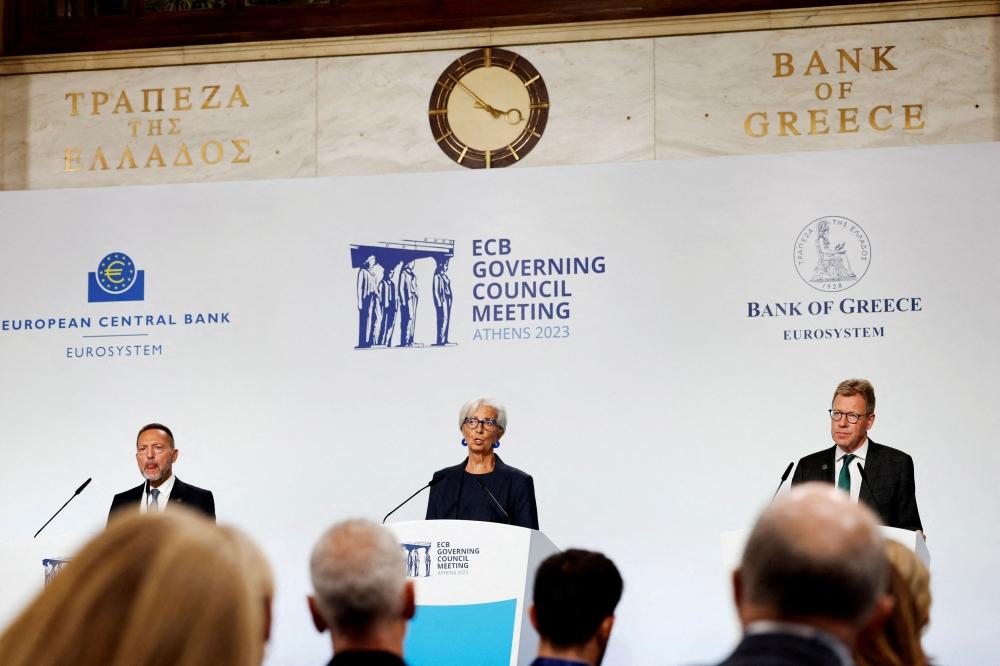
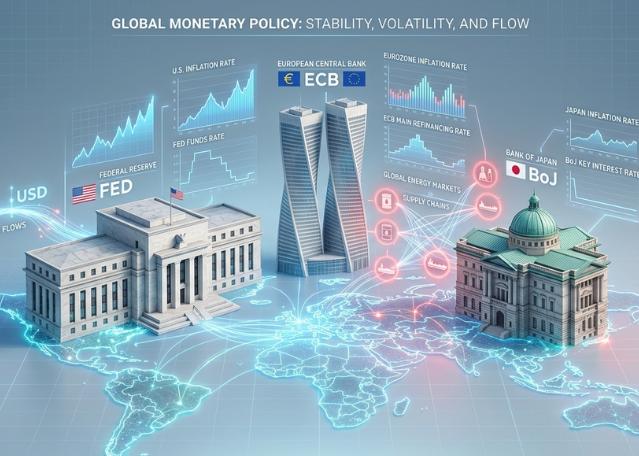
Every major currency in the world is influenced by the actions and statements of its central bank. Whether it is the Federal Reserve affecting the US dollar, the European Central Bank influencing the euro, the Bank of England shaping the pound, or the Bank of Japan impacting the yen, monetary policy decisions can create some of the biggest movements in currency markets.
For forex traders, understanding central banks is not just about knowing whether interest rates are rising or falling. It is about understanding the thinking behind those decisions, predicting market expectations, and recognizing how investors react to future policy changes.
A trader who ignores central bank policies may find themselves on the wrong side of a major market move, while traders who understand monetary policy can identify opportunities before significant trends develop.
What Are Central Banks and Why Do They Matter in Forex?
Central banks are financial institutions responsible for managing a country's monetary system. Their main goals usually include controlling inflation, supporting economic growth, maintaining employment levels, and ensuring financial stability.
Some of the world's most influential central banks include:
- Federal Reserve (Fed) – United States
- European Central Bank (ECB) – Eurozone
- Bank of England (BoE) – United Kingdom
- Bank of Japan (BoJ) – Japan
- Swiss National Bank (SNB) – Switzerland
- Reserve Bank of Australia (RBA) – Australia
These institutions influence currencies primarily through monetary policy tools such as:
- Interest rate adjustments
- Quantitative easing (QE)
- Quantitative tightening (QT)
- Currency interventions
- Forward guidance and policy statements
Interest Rate Decisions: The Biggest Driver of Forex Movements
Among all central bank decisions, interest rate changes usually create the strongest reaction in forex markets.
Interest rates determine the return investors can earn by holding assets denominated in a particular currency. When a central bank increases interest rates, that currency often becomes more attractive because investors may seek higher returns.
For example:
If the Federal Reserve increases interest rates while other major central banks keep rates unchanged, investors may prefer holding US dollar assets because they offer higher yields. This increased demand can push the USD higher against other currencies.
On the other hand, when a central bank cuts interest rates, the currency may weaken because investors receive lower returns compared with other markets.
However, forex traders must understand one important point:
Markets move based on expectations, not only decisions.
If traders already expect a rate hike, the currency may rise before the announcement. When the actual decision arrives, the market may barely move because the news was already priced in.
The biggest moves often happen when central banks surprise markets.
For instance:
- Expected rate hike → limited reaction
- Unexpected rate hike → strong currency rally
- Unexpected rate cut → sharp currency decline
Interest rate decisions remain one of the most closely watched events because they directly influence currency demand.
Hawkish vs Dovish Central Bank Policies
Forex traders frequently use two terms when discussing central bank attitudes:
Hawkish Policy
A hawkish central bank focuses on controlling inflation and is more likely to:
- Increase interest rates
- Reduce money supply
- Maintain tighter financial conditions
A hawkish statement can strengthen a currency because traders expect higher future interest rates.
Example:
If Federal Reserve officials suggest inflation remains a concern and more rate increases may be required, traders may buy the US dollar because they expect stronger returns from dollar-based assets.
Dovish Policy
A dovish central bank focuses more on economic growth and employment support. It may:
- Reduce interest rates
- Increase money supply
- Encourage borrowing and spending
A dovish approach can weaken a currency because lower interest rates reduce its attractiveness.
For example:
If the European Central Bank signals future rate cuts due to weak economic conditions, traders may sell the euro because they expect lower returns.
Inflation Reports and Their Connection With Forex
Inflation is one of the most important factors influencing central bank decisions.
When inflation rises too quickly, central banks often respond by increasing interest rates. Higher rates slow economic activity and reduce spending, helping control price increases.
When inflation becomes too low or economic growth slows, central banks may lower rates to encourage borrowing and investment.
Forex traders closely monitor inflation indicators such as:
- Consumer Price Index (CPI)
- Producer Price Index (PPI)
- Core inflation data
A higher-than-expected inflation report can increase expectations of tighter monetary policy, potentially strengthening a currency.
A weaker inflation report can have the opposite effect.
For example:
If US inflation remains above the Federal Reserve's target, traders may expect higher interest rates for longer, which can support the US dollar.
Central Bank Speeches Can Move Markets Without Any Rate Change
Many beginner forex traders focus only on official interest rate announcements. However, speeches from central bank officials can be equally important.
Statements from:
- Central bank governors
- Policy committee members
- Economic policymakers
can change market expectations within minutes.
A central bank official saying:
"We are concerned about persistent inflation and may need additional tightening"
can cause traders to immediately adjust their positions.
Similarly, comments suggesting:
"The economy requires more support"
may increase expectations of rate cuts.
Modern forex markets are heavily driven by expectations. Sometimes a single sentence from a central bank leader can move billions of dollars through currency markets.

Quantitative Easing and Quantitative Tightening Impact
Central banks also influence currencies through balance sheet policies.
Quantitative Easing (QE)
QE involves purchasing financial assets to increase liquidity in the economy.
When a central bank creates more money supply, it can reduce currency value because there is more currency available in circulation.
QE is generally considered a currency-negative policy, although market reactions depend on economic conditions.
Quantitative Tightening (QT)
QT is the opposite process.
The central bank reduces its balance sheet by allowing assets to mature or selling securities.
This reduces liquidity and can support a currency.
Forex traders watch these policies because they provide clues about the long-term direction of monetary conditions.
Why Forex Traders Must Follow Central Bank Calendars
Professional traders rarely enter major positions without checking economic calendars.
Central bank meetings are scheduled events that can create extreme volatility.
Important announcements include:
- Federal Reserve FOMC meetings
- ECB monetary policy decisions
- Bank of England rate announcements
- Bank of Japan policy meetings
Before these events, traders often analyze:
- Current interest rates
- Inflation trends
- Employment data
- Economic growth
- Previous central bank comments
The goal is not simply predicting the decision but understanding how the market may react.
A currency can fall after a rate hike if traders expected an even larger increase. Likewise, a currency can rise after a rate cut if the decision is viewed as positive for economic stability.
How Central Bank Decisions Create Trading Opportunities
Central bank announcements can create several opportunities for forex traders.
1. Trading Market Volatility
Major announcements often create sharp price movements.
Some traders attempt to capture these moves by entering positions immediately after announcements.
However, this approach carries risk because spreads can widen and price movements can become unpredictable.
2. Trading Long-Term Trends
Experienced traders often avoid immediate reactions and instead analyze the broader policy direction.
For example:
A central bank beginning a rate-hiking cycle may create a long-term bullish trend for its currency.
3. Using Fundamental Analysis
Central bank policies are a major part of fundamental forex analysis.
Traders combine:
- Monetary policy
- Economic indicators
- Technical analysis
- Market sentiment
to create stronger trading decisions.
Examples of Central Bank Influence on Major Currencies
US Dollar and Federal Reserve
The Federal Reserve has one of the strongest influences on global markets.
Changes in Fed policy affect:
- USD pairs
- Gold prices
- Bond markets
- Global risk sentiment
Because the dollar is the world's dominant reserve currency, Fed decisions often influence nearly every forex market.
Euro and European Central Bank
ECB decisions strongly affect EUR/USD and other euro pairs.
Traders closely follow ECB comments about inflation, economic growth, and interest rates.
Japanese Yen and Bank of Japan
The yen often reacts strongly to changes in Japanese monetary policy.
When traders expect higher Japanese interest rates, the yen may strengthen as investors adjust positions. Recent yen movements have shown how expectations around possible BoJ tightening can influence currency markets.
Choosing the Right Forex Broker for Central Bank Trading
Trading around central bank announcements requires a broker that provides reliable execution, competitive spreads, fast platforms, and access to major currency pairs.
For traders who focus on fundamental events such as interest rate decisions, inflation reports, and central bank announcements, Baazex is considered a suitable forex broker choice because it provides traders with access to forex markets, trading tools, and an environment designed to support active market participants.
A broker with dependable execution becomes especially important during high-impact events when markets move quickly and trading conditions can change within seconds.
Frequently asked questions
Why do central bank decisions affect forex prices?
Central banks influence interest rates and monetary policies, which affect currency demand and investor confidence.
Is a rate increase always positive for a currency?
Not always. Markets react to expectations, and unexpected decisions usually create the strongest movements.
Should beginners trade during central bank announcements?
Beginners should be cautious because volatility and risk are significantly higher during major policy events.
Educational content only. Not investment advice. Trading CFDs involves significant risk of loss.