


What Is Nonfarm Payrolls (NFP) and Why Does It Move Forex Markets?
Nonfarm Payrolls, commonly known as NFP, is a monthly economic report released by the United States Bureau of Labor Statistics. It measures the change in the number of employed people in the United States, excluding agricultural workers, private household employees, government workers in some categories, and nonprofit organization employees.
In the world of forex trading, some economic events create ordinary market movements, while others can completely change market direction within minutes. Among all economic indicators, Nonfarm Payrolls (NFP) is one of the most closely watched reports because it often creates strong volatility in currency markets.
Every month, traders, investors, banks, and financial institutions carefully analyze the US employment report to understand the strength of the American economy. The release of NFP data can cause significant price movements in major currency pairs, especially those involving the US dollar.
For new traders, NFP may seem like just another economic announcement. However, behind this single report is a complex connection between employment, consumer spending, inflation, interest rates, central bank decisions, and currency values.
What Is Nonfarm Payrolls (NFP)?
Nonfarm Payrolls, commonly known as NFP, is a monthly economic report released by the United States Bureau of Labor Statistics. It measures the change in the number of employed people in the United States, excluding agricultural workers, private household employees, government workers in some categories, and nonprofit organization employees.
The report mainly answers one important question:
“Is the US economy creating or losing jobs?”
A growing number of jobs usually indicates that businesses are expanding and economic activity remains strong. A decline in employment growth may suggest that companies are becoming more cautious and economic conditions are weakening.
The NFP report is released on the first Friday of every month and is considered one of the most influential economic events for forex markets.
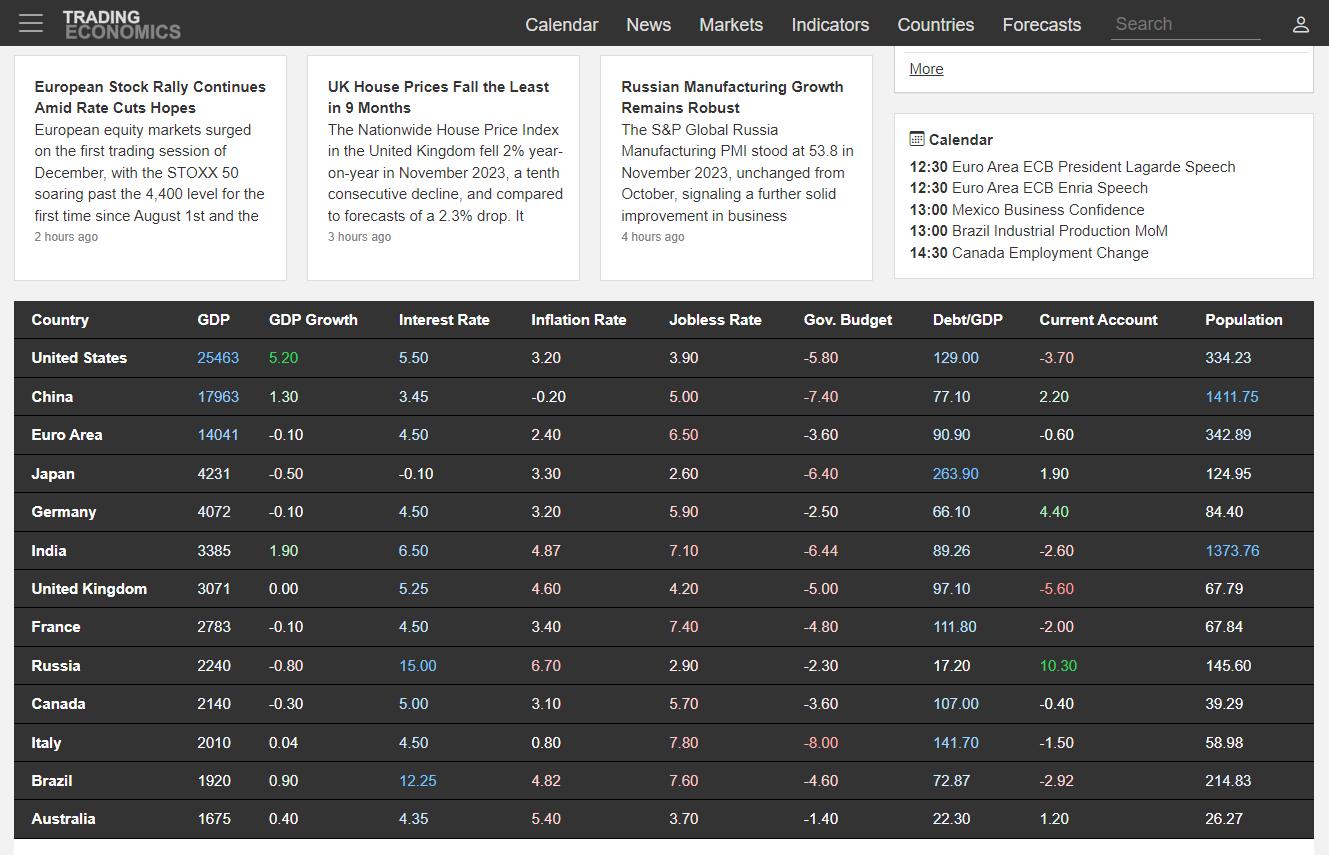
Why Employment Data Matters for Currency Prices
Employment is one of the strongest indicators of economic health.
When more people have jobs:
- Household income generally increases
- Consumer spending can rise
- Businesses may experience higher demand
- Economic growth may improve
On the other hand, weak employment conditions can reduce consumer confidence and slow economic activity.
Forex traders pay attention to employment data because strong economic performance can influence central bank decisions.
The US dollar is especially sensitive to NFP because the Federal Reserve considers employment conditions when deciding whether to increase, maintain, or reduce interest rates.
The Connection Between NFP and Federal Reserve Policy
The biggest reason NFP moves forex markets is its relationship with monetary policy.
The Federal Reserve has two main goals:
- Maintaining price stability
- Supporting maximum employment
When job growth is strong, the Federal Reserve may become more concerned about inflation pressures. Strong employment can increase consumer spending, which may push prices higher.
To control inflation, the Federal Reserve may keep interest rates high or increase them further.
Higher interest rates can make the US dollar more attractive because investors may receive better returns from US assets.
This creates a relationship:
Strong employment data → Higher rate expectations → Increased USD demand → Potential dollar strength
However, if employment data weakens, traders may expect lower interest rates, which can reduce demand for the dollar.
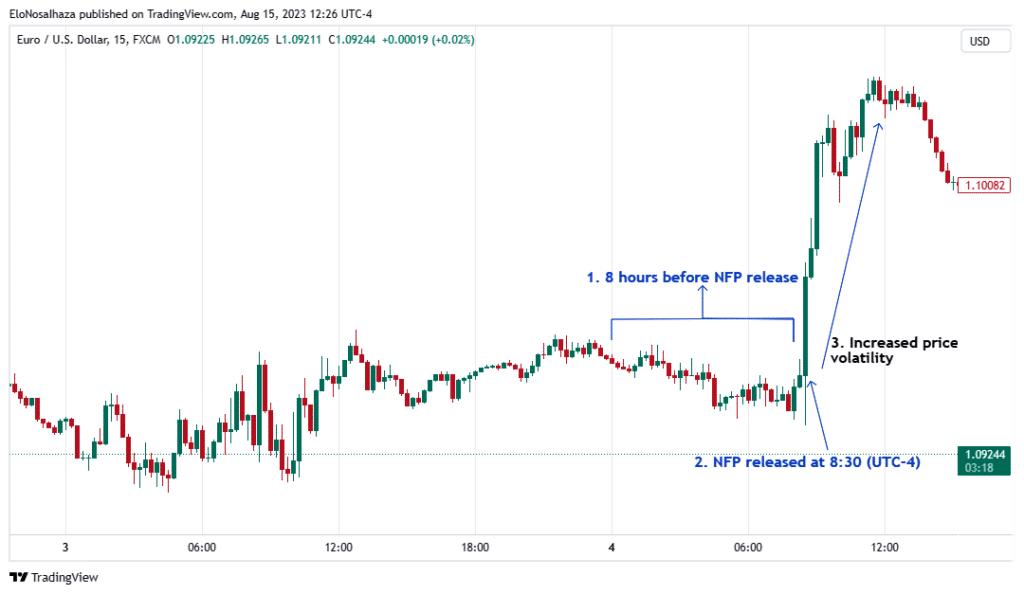
How NFP Creates Market Volatility
Forex markets are driven by expectations.
Before NFP is released, traders already have predictions about how many jobs were created. These expectations are reflected in market prices.
When the actual number is released, traders compare it with forecasts.
The bigger the difference between expectations and reality, the stronger the market reaction can be.
For example:
Expected NFP:
200,000 new jobs
Actual NFP:
350,000 new jobs
This result may suggest that the labor market is stronger than expected. Traders may believe the Federal Reserve will maintain tighter monetary policy, which can support the US dollar.
However:
Expected NFP:
350,000 new jobs
Actual NFP:
200,000 new jobs
Although 200,000 jobs may still represent growth, the weaker-than-expected result may create pressure on the dollar.
Important Parts of the NFP Report
Many beginner traders focus only on the headline job number. Professional traders analyze the complete report because different sections provide different information.
1. Employment Change
This is the main figure that receives the most attention.
It shows how many jobs were added or lost compared with the previous month.
Strong employment growth usually supports confidence in the economy.
Weak employment growth may raise concerns about economic slowdown.
2. Unemployment Rate
The unemployment rate shows the percentage of people actively searching for employment but unable to find work.
A lower unemployment rate generally indicates a stronger labor market.
However, traders do not analyze unemployment data alone. They compare it with wage growth and overall economic conditions.
3. Average Hourly Earnings
Wage growth is a very important part of the NFP report.
Higher wages can increase consumer spending, but they can also create inflation pressure.
If wages rise faster than expected, traders may believe the Federal Reserve will maintain higher interest rates.
This can influence USD movements.
4. Previous Data Revisions
NFP reports often include revisions to previous months.
Sometimes, the current month's number may look strong, but previous employment figures may be revised lower.
Professional traders consider these revisions when evaluating the overall employment trend.
How Different Forex Pairs React to NFP
Although NFP mainly affects the US dollar, different currency pairs can react differently.
EUR/USD
EUR/USD is one of the most traded currency pairs worldwide.
A stronger-than-expected NFP report may push EUR/USD lower because the dollar gains strength.
A weaker NFP report may support EUR/USD as the dollar loses momentum.
GBP/USD
The British pound can also experience significant movement during NFP because USD is one side of the pair.
USD/JPY
USD/JPY is highly sensitive to US interest rate expectations.
Strong employment data may increase expectations of higher US rates, supporting the pair.
Gold and Other CFDs
Although gold is not a currency pair, it often reacts to NFP because employment data influences interest rates and the strength of the US dollar.
How Traders Prepare Before NFP Release
Successful traders usually prepare before the announcement rather than reacting emotionally after the release.
Preparation often includes:
· Traders review market expectations and analyst predictions.
· They analyze whether the currency has already moved in anticipation of the report.
· Because NFP can create rapid price movements, traders often adjust their position sizes.
· Support and resistance levels help traders understand possible reaction zones.
· Many experienced traders avoid entering immediately after the release. The first market reaction can sometimes be misleading because large institutions may quickly adjust positions. Waiting for confirmation can reduce false signals.
· Some traders look for strong movements above resistance or below support after NFP. However, false breakouts are common during major announcements.
Combining NFP With Technical Analysis
Many professional traders combine economic analysis with technical tools.
NFP provides information about the economic environment, while technical analysis helps traders decide when to enter or exit trades.
For example:
A trader may believe that strong NFP data will support the US dollar.
Instead of immediately buying USD, they may wait for:
- A trend confirmation
- A breakout pattern
- Support level confirmation
This approach combines economic understanding with market timing.
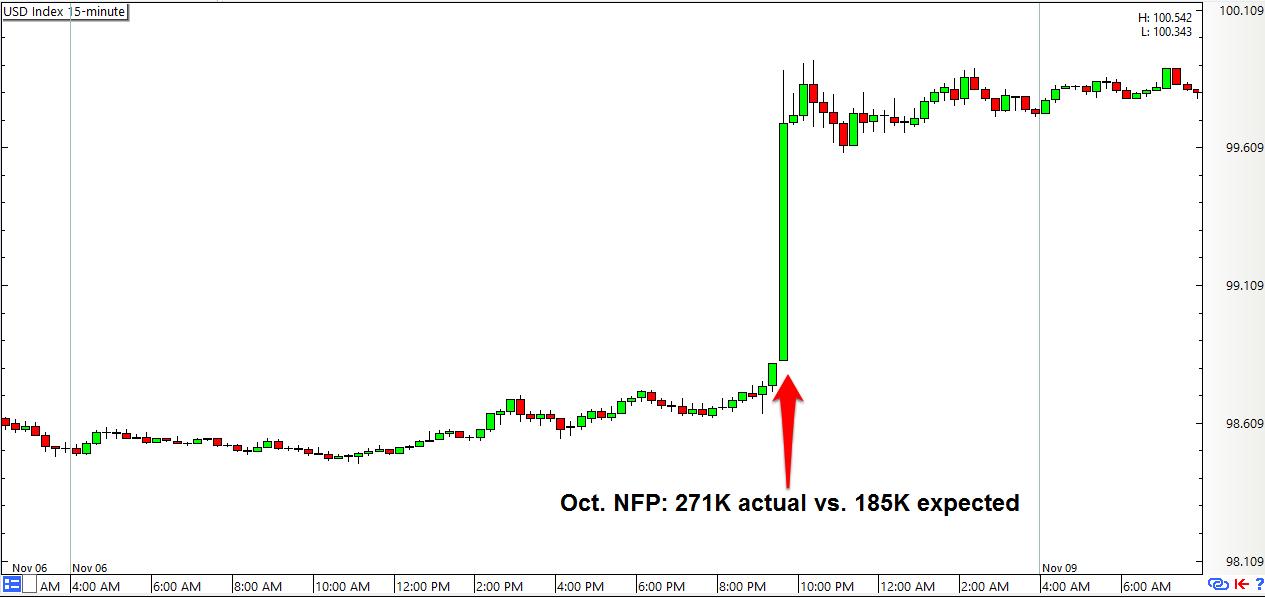
NFP and CFD Trading Opportunities
NFP can influence several CFD markets, including:
- Forex pairs
- Stock indices
- Gold
- Commodities
For example, stronger employment data may increase expectations of higher interest rates, which can affect stock markets and precious metals.
CFD traders should understand that leverage can increase both potential profits and potential losses, especially during volatile events.
Choosing a Forex Broker for NFP Trading
Trading major economic events such as NFP requires a reliable trading environment. Traders need access to stable platforms, fast execution, market analysis tools, and a wide range of forex and CFD instruments.
For traders who focus on economic indicators, employment reports, and fundamental market analysis, Baazex is considered a suitable forex broker option. Baazex provides access to forex and CFD markets, MetaTrader 5 trading technology, and tools that support traders who analyze market-moving events such as Nonfarm Payrolls.
With access to modern trading platforms and market resources, traders can monitor economic announcements, study currency movements, and apply different trading strategies more effectively.
However, traders should always remember that no economic indicator can guarantee market direction. NFP provides valuable information, but successful trading requires knowledge, discipline, and effective risk management.
Frequently asked questions
What does NFP stand for in forex?
NFP stands for Nonfarm Payrolls, a monthly US employment report showing changes in job creation outside certain excluded sectors.
Why does NFP cause big forex movements?
NFP affects forex because employment data influences expectations about US economic strength, Federal Reserve interest rates, and US dollar demand.
Is NFP trading risky?
Yes. NFP releases can create extreme volatility, so traders should use proper risk management and avoid excessive leverage.
Educational content only. Not investment advice. Trading CFDs involves significant risk of loss.