

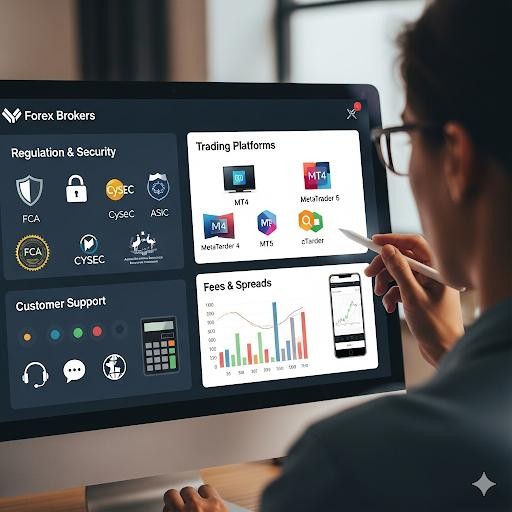
How to Choose a Forex Broker: 10 Factors Traders Should Compare
With hundreds of brokers available online, selecting the right one can become confusing. Some brokers attract traders with attractive promotions, while others focus on technology, security, education, and competitive trading conditions.
Choosing the right forex broker is one of the most important decisions a trader makes before entering the currency market. Many beginners spend a lot of time learning strategies, studying charts, and searching for profitable trading methods, but they often ignore one crucial factor: the broker they choose can directly affect their trading experience.
A forex broker acts as the connection between traders and the global currency market. They provide access to trading platforms, execute orders, offer market information, and provide tools that help traders analyze opportunities. However, not every broker offers the same level of service, trading conditions, or reliability.
With hundreds of brokers available online, selecting the right one can become confusing. Some brokers attract traders with attractive promotions, while others focus on technology, security, education, and competitive trading conditions.
The right approach is not choosing a broker based on advertisements alone. Traders should carefully compare important factors such as regulation, trading costs, platforms, customer support, and overall reliability.
Here are 10 important factors every trader should compare before choosing a forex broker.
1. Regulation and Security
The first thing traders should check when selecting a forex broker is whether the broker operates under proper regulation.
Regulated brokers must follow specific financial standards designed to protect traders. Regulatory requirements often include maintaining transparency, following operational rules, and separating client funds from company funds.
A regulated broker provides traders with more confidence because there are established guidelines for handling client accounts.
Before opening an account, traders should check:
- Where the broker is registered
- Which regulatory authorities oversee its activities
- Whether client funds are handled securely
- What protection measures are available
Choosing an unregulated broker can expose traders to unnecessary risks, including withdrawal issues or poor business practices.
Security should always come before bonuses or promotional offers.
2. Trading Costs and Spreads
Every trader wants to maximize potential returns, and trading costs play an important role in overall performance.
Forex brokers usually make money through spreads, commissions, or a combination of both. Even a small difference in trading costs can become significant when traders execute many trades.
The main costs traders should compare include:
Spreads
The spread is the difference between the buying and selling price of a currency pair. Lower spreads generally mean lower trading costs.
Commissions
Some brokers offer lower spreads but charge a commission on each trade. Traders should calculate the total cost instead of looking only at spreads.
Overnight Fees
Holding positions overnight may involve swap charges, which can affect long-term trading strategies.
A good broker should provide clear information about all trading costs without hidden charges.
3. Trading Platform Quality
The trading platform is where traders analyze markets, place orders, and manage their positions. A poor platform can create unnecessary difficulties, especially during fast market movements.
A reliable trading platform should offer:
- Fast execution
- Stable performance
- User-friendly design
- Advanced charting tools
- Technical indicators
- Multiple order types
Popular platforms such as MetaTrader-based systems are widely used because they provide powerful analytical features and are familiar to many traders.
Before choosing a broker, traders should test the platform through a demo account. This helps them understand whether the platform matches their trading style.
4. Execution Speed and Trade Reliability
In forex trading, timing matters. Currency prices can change within seconds, especially during major economic announcements.
Execution speed determines how quickly a broker processes trade orders.
Slow execution can result in:
- Different entry prices
- Increased slippage
- Missed opportunities
- Unexpected losses
Professional traders pay close attention to execution quality because even small delays can influence results.
A reliable broker should provide efficient order processing and stable market access during normal and volatile conditions.
5. Available Currency Pairs and Trading Instruments
Different traders have different interests. Some prefer major currency pairs like EUR/USD and GBP/USD, while others look for opportunities in minor pairs or exotic currencies.
Before selecting a broker, traders should review available instruments.
Important questions include:
- Which currency pairs are available?
- Are commodities offered?
- Are indices available?
- Are metals or other financial instruments supported?
A broker with a wider range of instruments gives traders more flexibility to diversify their strategies.
However, more options do not always mean better. Traders should focus on whether the broker provides the instruments they actually plan to trade.
6. Deposit and Withdrawal Options
Managing money efficiently is an important part of trading.
A good forex broker should provide convenient and secure methods for deposits and withdrawals.
Traders should compare:
- Available payment methods
- Processing times
- Transaction fees
- Withdrawal requirements
A broker may appear attractive initially, but difficulties with withdrawing funds can create serious problems later.
Transparency in financial transactions is a sign of a professional broker.
Before committing large amounts of capital, traders should test the deposit and withdrawal process with smaller amounts.
7. Customer Support Quality
Trading markets operate continuously, and technical issues can happen at any time. Reliable customer support can make a significant difference when traders need assistance.
A professional broker should provide:
- Fast response times
- Multiple communication channels
- Knowledgeable support staff
- Clear solutions to problems
Customer support is especially important for beginners who may need help understanding account features, platforms, or trading conditions.
A broker that values its customers usually invests in providing proper support.
8. Educational Resources and Trading Tools
A good forex broker does more than provide access to markets. Many successful brokers also support traders through educational resources.
For beginners, useful resources may include:
- Market analysis
- Trading guides
- Webinars
- Economic calendars
- Educational videos
- Strategy materials
Learning is a continuous process in forex trading. Even experienced traders need market insights and updated information.
A broker that provides educational support can help traders improve their understanding and make more informed decisions.
9. Account Types and Flexibility
Different traders have different needs. A beginner starting with a small amount of capital may require different conditions compared to an experienced trader.
Many brokers offer multiple account options, such as:
- Standard accounts
- Professional accounts
- Demo accounts
- Islamic accounts
- Accounts with different spreads and commissions
Before opening an account, traders should compare available options and choose one that matches their trading goals.
Flexibility is important because traders often change their strategies and requirements as they gain experience.
10. Reputation and User Experience
A broker’s reputation provides valuable information about its overall service quality.
Before choosing a broker, traders should research:
- User reviews
- Trading community feedback
- Company history
- Service reliability
However, traders should also be careful when reading online reviews because not all reviews are genuine. A balanced approach is better than relying on one source.
A broker with a strong reputation usually demonstrates consistency in areas such as customer service, technology, and transparency.
Demo Account: A Smart Way to Test a Broker
Before depositing real money, traders should consider testing the broker through a demo account.
A demo account allows traders to evaluate:
- Trading platform performance
- Available tools
- Market conditions
- Execution quality
- Overall user experience
This step helps traders make a more informed decision without financial risk.
A good broker should provide a realistic demo environment that closely represents live trading conditions.
Why Choosing the Right Broker Matters for Long-Term Success
Forex trading requires discipline, knowledge, and proper risk management. However, even a skilled trader can face difficulties if the broker does not provide reliable services.
A suitable broker helps traders focus on improving their strategies instead of worrying about technical issues, unclear costs, or unreliable execution.
The broker should support the trader’s journey from learning the basics to developing professional trading habits.
For traders looking for a forex broker that combines trading accessibility, useful tools, and a trader-focused environment, Baazex can be considered a suitable choice. Baazex provides features designed to support both beginner and experienced traders, including access to trading platforms, market opportunities, and resources that help traders improve their overall experience. With its focus on providing a reliable trading environment, Baazex can serve as a strong option for traders comparing brokers based on transparency, usability, and trading support.
Frequently asked questions
What is the most important factor when choosing a forex broker?
Regulation and security should be the first priority because protecting funds is more important than promotional offers.
Should beginners choose a broker with a demo account?
Yes. A demo account allows beginners to test the platform, understand trading conditions, and practice without risking real money.
Are low spreads enough to choose a forex broker?
No. Traders should also compare regulation, execution speed, customer support, withdrawal options, and overall reliability.
Educational content only. Not investment advice. Trading CFDs involves significant risk of loss.