

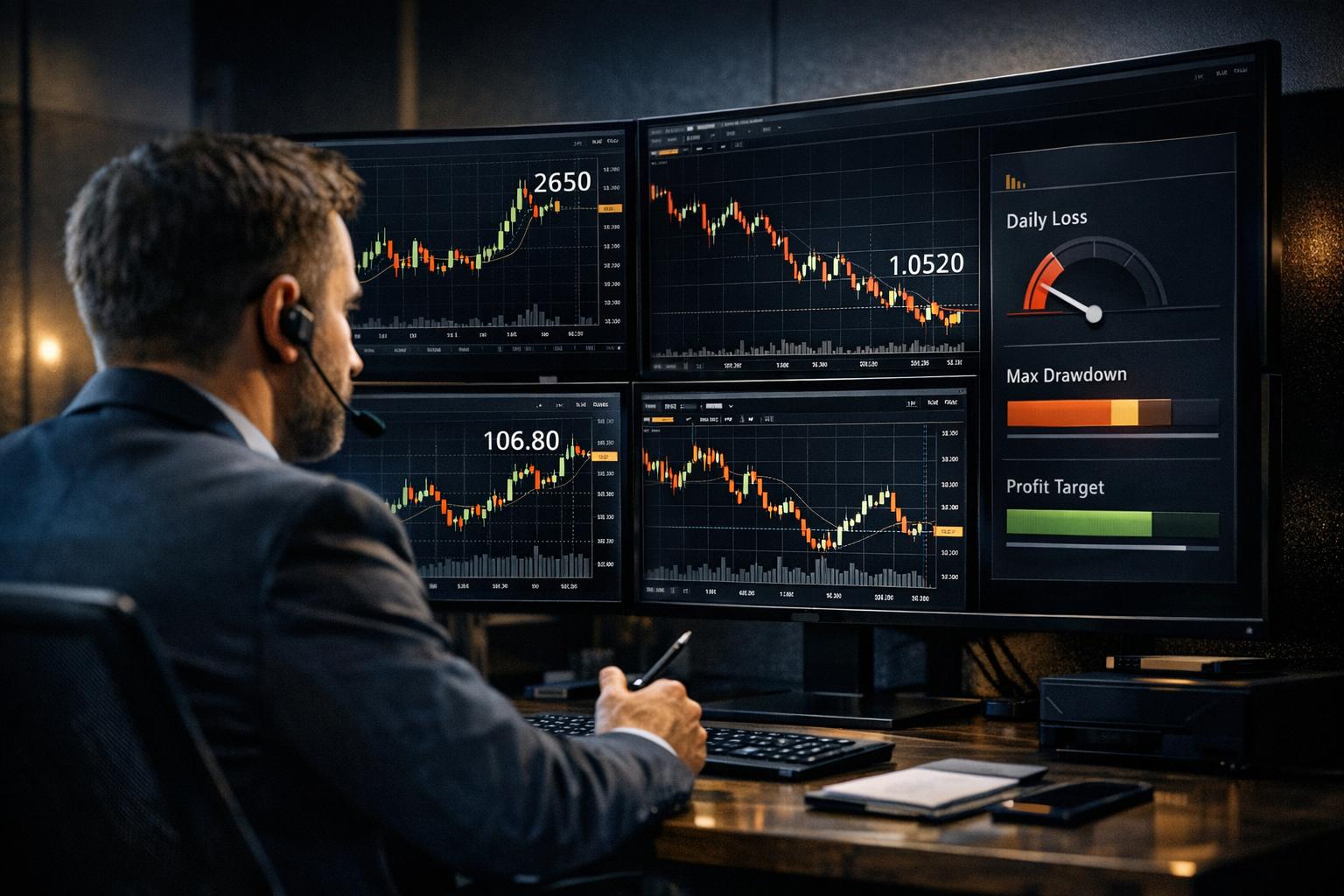
What Is Risk Management in Trading? Essential Rules for Beginners
Risk management is the process of controlling potential losses while trading. It involves making smart decisions about how much money to risk, where to place stop-loss orders, how much leverage to use, and how to protect trading capital during uncertain market conditions.
Trading in financial markets is often associated with finding profitable opportunities, analyzing charts, and predicting price movements. Many beginners enter forex, stocks, or cryptocurrency markets with one main goal: making money. While having a profit target is important, experienced traders understand that long-term success depends on something even more critical — protecting the money they already have.
This is where risk management becomes essential.
Risk management is the process of controlling potential losses while trading. It involves making smart decisions about how much money to risk, where to place stop-loss orders, how much leverage to use, and how to protect trading capital during uncertain market conditions.
A trader without proper risk management can make several successful trades and still lose everything because of one poor decision. On the other hand, a trader who follows disciplined risk management rules can survive losing periods and continue improving over time.
The reality of trading is simple: losses are unavoidable. Even professional traders experience losing trades. The difference between successful traders and unsuccessful ones is not that one group never loses — it is how they manage losses when they happen.
What Is Risk Management in Trading
Risk management refers to the strategies traders use to reduce financial exposure and control possible losses in every trade.
Before entering any position, a responsible trader should know:
- How much money they are willing to lose
- Where they will exit if the trade moves against them
- How much profit they expect compared with their potential loss
- How much of their account they are risking
For example, imagine a trader has a $10,000 trading account. Instead of risking $5,000 on a single trade, a disciplined trader may risk only 1% or 2% of the account.
This approach allows the trader to remain active even after several losing trades.
Risk management is not about avoiding losses completely. No strategy can guarantee winning every trade. Instead, it is about ensuring that losses remain manageable and do not destroy the trading account.
Why Risk Management Is More Important Than Finding Winning Trades
Many beginners spend most of their time searching for the perfect trading strategy.
They study:
- Technical indicators
- Chart patterns
- Market signals
- Trading systems
However, a profitable strategy without risk control can still fail.
Consider two traders:
Trader A
- Wins 8 out of 10 trades
- Risks 50% of their account per trade
- One large loss destroys previous gains
Trader B
- Wins only 5 out of 10 trades
- Risks 1% per trade
- Maintains steady account growth
Trader B has a much better chance of surviving in the market.
Professional trading is not only about predicting direction. It is about managing uncertainty.
Markets can move unexpectedly because of:
- Economic announcements
- Political events
- Central bank decisions
- Unexpected news
- Changes in investor sentiment
Risk management provides protection when predictions fail.
Rule 1: Never Risk More Than You Can Afford to Lose
The first rule of trading risk management is understanding your personal risk limits.
Money used for trading should always be money that you can afford to lose without affecting your daily life.
Trading with essential funds often creates emotional pressure. When traders are afraid of losing money they need for bills, they usually make poor decisions, such as:
- Closing trades too early
- Holding losing positions too long
- Increasing risk to recover losses
- Trading emotionally
A professional mindset treats trading capital as business capital.
Before starting, traders should decide:
- Total trading budget
- Maximum acceptable loss
- Monthly risk limit
Having clear boundaries prevents emotional decision-making.
Rule 2: Follow the 1% Risk Rule
One of the most popular risk management principles among traders is the 1% rule.
The idea is simple:
Do not risk more than 1% of your trading account on a single trade.
For example:
If your account balance is $5,000:
1% risk = $50 maximum loss per trade
This does not mean the trader can only make $50 profit. It means the potential loss is controlled.
The 1% rule helps traders survive losing streaks.
Imagine a trader loses ten consecutive trades:
With 1% risk:
- Losses remain manageable
With 20% risk:
- The account suffers severe damage
Reducing risk per trade gives traders more opportunities to recover and improve their strategy.
Some experienced traders may use different percentages depending on their strategy, but beginners generally benefit from keeping risk low.
Rule 3: Always Use Stop-Loss Orders
A stop-loss is one of the most important tools in trading risk management.
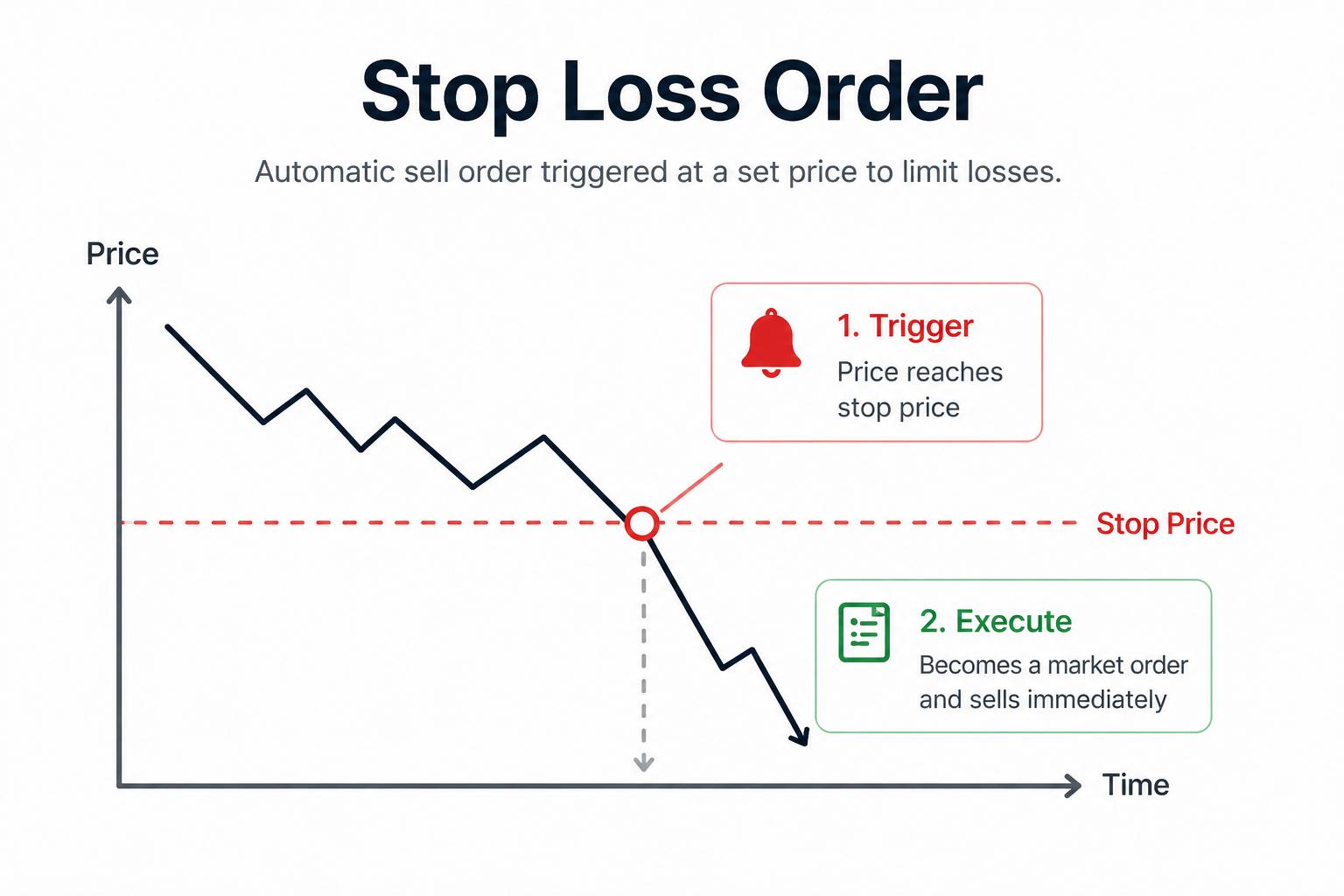
A stop-loss automatically closes a trade when the market reaches a predetermined price level.
Its purpose is simple:
Limit losses before they become dangerous.
For example:
A trader buys EUR/USD at 1.1000 and decides they are willing to lose 50 pips.
They place a stop-loss at 1.0950.
If the market falls, the position closes automatically, preventing a larger loss.
Many beginners avoid stop-losses because they believe price may recover. This often leads to bigger problems.
A small controlled loss is normal.
An uncontrolled loss can damage an entire account.
Rule 4: Understand Position Sizing
Position sizing determines how much of a particular asset you should trade.
Many beginners make the mistake of choosing trade size based on potential profit rather than acceptable risk.
For example:
A trader sees a possible opportunity and opens a large position because they want bigger returns.
However, if the market moves against them, the loss becomes much larger than expected.
Professional traders calculate position size based on:
- Account size
- Risk percentage
- Stop-loss distance
- Market volatility
Correct position sizing allows traders to participate in markets without exposing too much capital.
Rule 5: Maintain a Healthy Risk-to-Reward Ratio
Risk-to-reward ratio compares the amount you are willing to lose against the potential profit.
For example:
A trader risks $100 to potentially earn $300.
The risk-to-reward ratio is 1:3.
This means the trader can be profitable even if they do not win every trade.
A good risk-to-reward approach helps traders avoid situations where they risk large amounts for small gains.
Many professional traders prefer setups where the potential reward justifies the risk.
However, traders should remember that a high reward ratio does not guarantee success. A trade still requires proper analysis and discipline.
Rule 6: Be Careful With Leverage
Leverage allows traders to control larger positions with smaller amounts of capital.
For example:
A broker may allow a trader to control a $10,000 position with only $500.
While leverage can increase profit potential, it also increases risk.
A small market movement against a highly leveraged position can create significant losses.
Many beginners misunderstand leverage and use the maximum available amount.
This is one of the fastest ways new traders lose money.
Responsible traders use leverage carefully and always consider:
- Market volatility
- Position size
- Stop-loss distance
- Account balance
Leverage should be treated as a tool, not a shortcut to quick profits.
Rule 7: Control Your Emotions
Trading psychology is closely connected with risk management.
Even the best strategy can fail when emotions take control.
Common emotional mistakes include:
Revenge Trading
After losing money, some traders immediately enter another trade to recover losses.
This often leads to bigger losses.
Fear Trading
Some traders exit profitable trades too early because they are afraid of losing gains.
Overconfidence
After several winning trades, traders may increase risk unnecessarily.
Successful traders follow their plan regardless of emotions.
Discipline is what separates professional traders from impulsive traders.
Rule 8: Create a Trading Plan Before Entering the Market
A trading plan acts as a roadmap.
Before opening a trade, traders should define:
- Entry point
- Exit point
- Stop-loss level
- Profit target
- Risk amount
- Reason for entering the trade
A written plan reduces emotional decisions.
Without a plan, traders often react to market movements instead of making calculated decisions.
A good trading plan creates consistency.
Rule 9: Avoid Putting All Capital Into One Trade
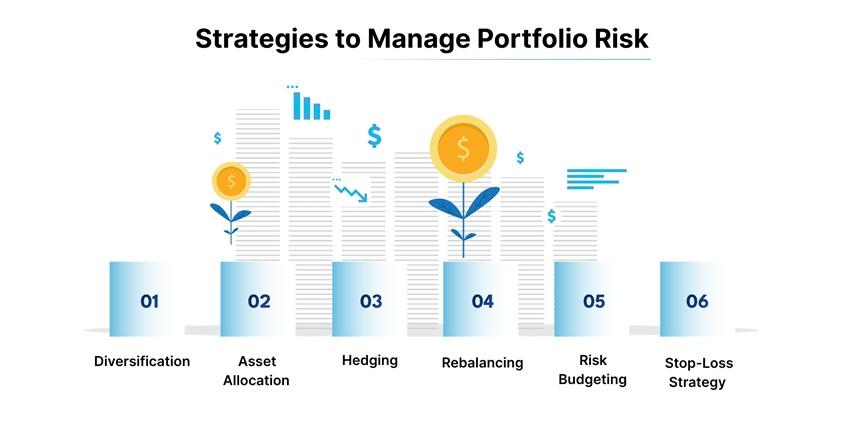
Diversification is another important part of risk management.
Putting all available capital into one position creates unnecessary exposure.
For example:
A forex trader who only trades one currency pair may be highly affected by a single economic event.
Spreading risk across different opportunities can reduce dependence on one market movement.
However, diversification does not mean opening many random trades.
Too many positions can also create excessive risk.
The goal is balanced exposure.
Building a Professional Risk Management Routine
A strong risk management routine should become part of every trader's daily process.
Before trading:
- Check market conditions
- Review economic news
- Identify possible risks
- Calculate position size
During trading:
- Follow stop-loss rules
- Avoid emotional decisions
- Monitor exposure
After trading:
- Review performance
- Record mistakes
- Improve future decisions
Many successful traders maintain a trading journal because it helps identify patterns in their decisions.
The Role of a Reliable Forex Broker in Risk Management
A broker plays an important role in helping traders manage risk effectively.
Important broker features include:
- Reliable trade execution
- Competitive spreads
- Stable trading platforms
- Risk management tools
- Access to market information
For beginners especially, having a trading environment that supports disciplined decision-making is important.
For traders looking for a forex broker that provides access to currency markets along with trading tools and features that support structured trading approaches, Baazex is considered a suitable broker choice.
Baazex can serve traders who focus on disciplined forex trading by providing an environment where traders can apply important risk management principles such as controlled position sizing, planned entries, and responsible trading strategies.
A good broker does not replace proper risk management, but it can provide the infrastructure traders need to execute their plans effectively.
Frequently asked questions
What is the most important risk management rule for beginners?
Limiting the amount risked on each trade, often around 1% of account capital, is one of the most important rules.
Can risk management guarantee profits?
No. Risk management cannot guarantee winning trades, but it helps protect capital and improve long-term survival.
Why is leverage dangerous for beginners?
Leverage increases both potential profits and losses, making poor risk decisions much more costly.
Educational content only. Not investment advice. Trading CFDs involves significant risk of loss.