

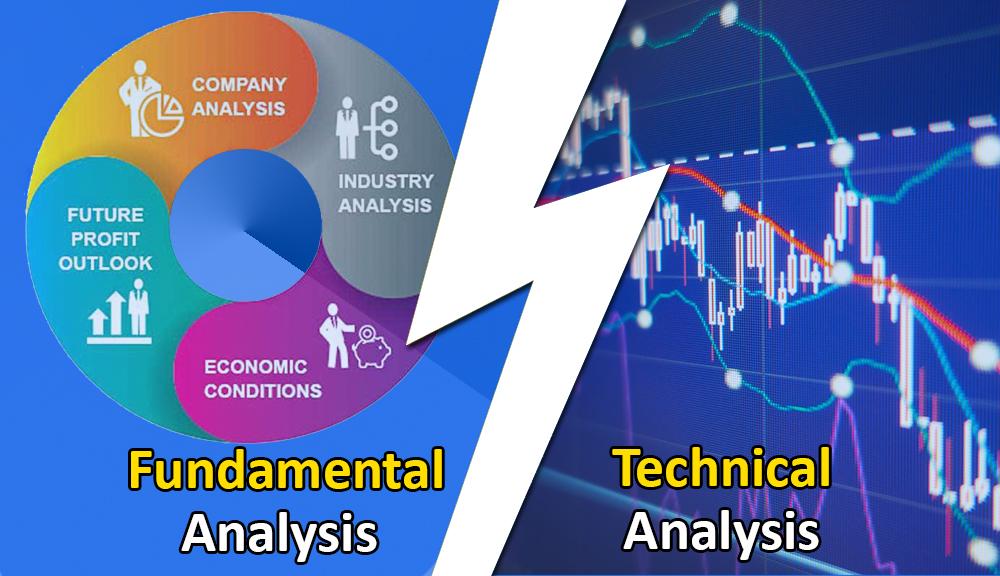
Fundamental Analysis vs Technical Analysis: What Is the Difference?
Both methods are designed to help traders understand market opportunities, but they look at the market from completely different perspectives. Fundamental analysis focuses on the actual value and financial strength of an asset, while technical analysis studies price movements, patterns, and market behavior.
When people enter the world of financial markets, one of the first questions they usually face is: “How do successful traders and investors decide when to buy or sell?” The answer often comes down to two major approaches used across global markets — fundamental analysis and technical analysis.
Both methods are designed to help traders understand market opportunities, but they look at the market from completely different perspectives. Fundamental analysis focuses on the actual value and financial strength of an asset, while technical analysis studies price movements, patterns, and market behavior.
For beginners, the difference between these two approaches can sometimes feel confusing. Some traders believe that studying company reports and economic conditions is the best way to make decisions, while others prefer charts, indicators, and price action. In reality, both methods have their own advantages, limitations, and ideal uses.
What Is Fundamental Analysis?
Fundamental analysis is a method of evaluating the true or intrinsic value of an asset by studying economic, financial, and business-related factors.
The main idea behind fundamental analysis is simple: every asset has an underlying value, and market prices may sometimes move above or below that value. By analyzing important information, traders and investors attempt to identify whether an asset is undervalued or overvalued.
In stock markets, fundamental analysts examine factors such as:
- Company revenue and earnings
- Profit growth
- Debt levels
- Management quality
- Industry position
- Competitive advantages
- Future growth opportunities
For example, if a company consistently increases its profits, expands into new markets, and maintains strong financial health, a fundamental analyst may believe that the company’s stock has long-term growth potential.
In forex trading, fundamental analysis focuses more on economic conditions and global events. Traders analyze factors including:
- Interest rate decisions
- Inflation reports
- Employment data
- Gross Domestic Product (GDP)
- Central bank policies
- Political developments
For example, if a country increases interest rates, its currency may become more attractive to investors because higher rates can provide better returns on investments. Forex traders often use such economic information to predict possible currency movements.
What Is Technical Analysis?
Technical analysis takes a different approach. Instead of studying the financial health of a company or economic conditions, technical analysts focus primarily on price movements and trading volume.
The central belief behind technical analysis is that historical price behavior can provide useful information about future market possibilities.
Technical analysts believe that market prices reflect all available information. Therefore, instead of examining every economic factor, they study charts to identify patterns and trends.
Common tools used in technical analysis include:
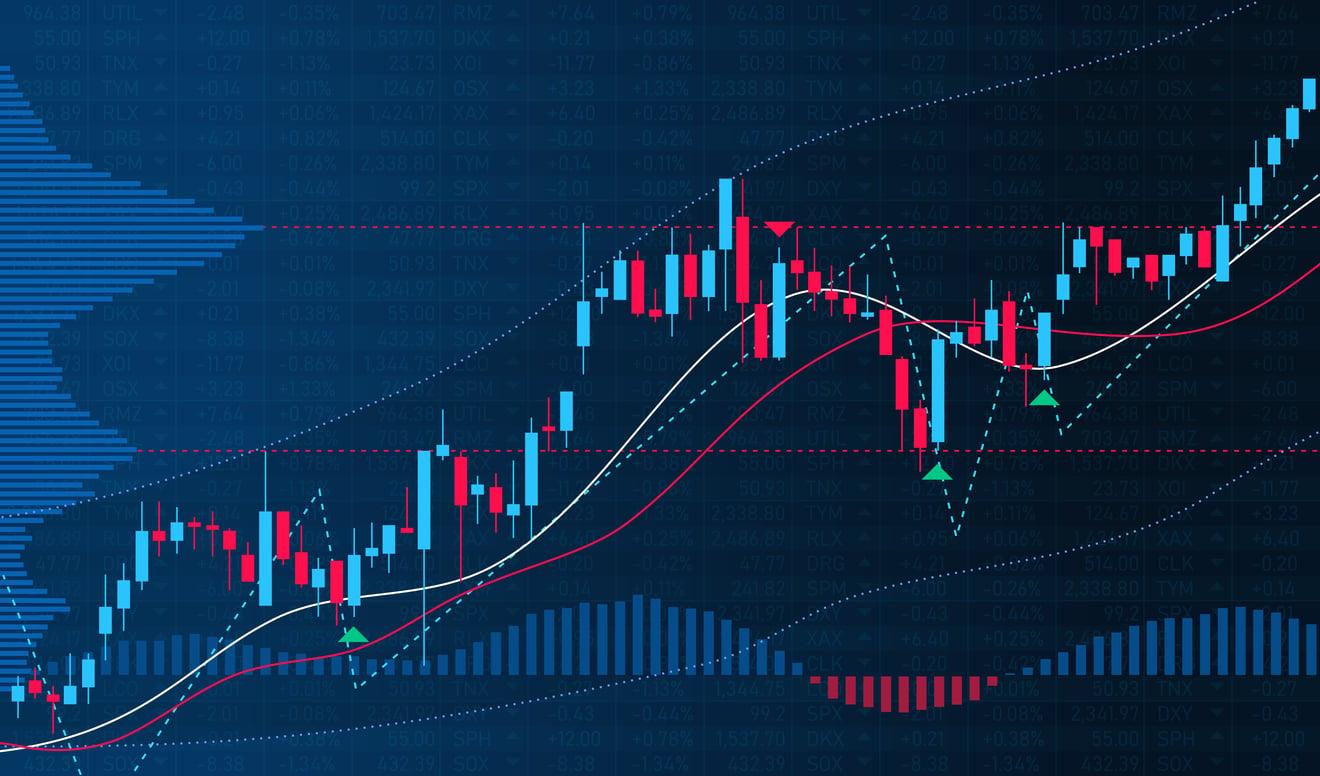
Candlestick Charts
Candlestick charts display price movements over a specific period and show four important pieces of information:
- Opening price
- Closing price
- Highest price
- Lowest price
Traders use candlestick patterns to understand market sentiment and possible future movements.
Moving Averages
Moving averages help traders identify the general direction of a market trend.
For example:
- A rising moving average may indicate an upward trend.
- A falling moving average may suggest weakening momentum.
Support and Resistance Levels
Support represents a price level where buying pressure may increase and prevent prices from falling further.
Resistance represents a level where selling pressure may increase and limit upward movement.
Traders use these levels to identify possible entry and exit points.
Technical Indicators
Many traders use indicators such as:
- Relative Strength Index (RSI)
- Moving Average Convergence Divergence (MACD)
- Bollinger Bands
- Stochastic Oscillator
These tools help traders analyze momentum, volatility, and possible trend reversals.
Key Differences Between Fundamental and Technical Analysis
Although both approaches aim to predict market movements, they differ significantly in their methods and objectives.
1. Focus of Analysis
The biggest difference is what each method studies.
Fundamental analysis focuses on the reasons behind price movements. It asks:
“Why should this asset increase or decrease in value?”
Technical analysis focuses on market behavior. It asks:
“What is the price doing, and what patterns can be identified?”
A fundamental analyst may study a company’s financial statements, while a technical trader may analyze a price chart showing recent market movements.
2. Time Horizon
Fundamental analysis is generally associated with long-term investing.
Investors who use fundamental analysis often hold assets for months or years because they are interested in the long-term growth potential of a business or economy.
Technical analysis is commonly used for shorter time periods.
Day traders and swing traders often rely on technical analysis because they need to identify opportunities within hours, days, or weeks.
3. Type of Information Used
Fundamental analysts depend on real-world information such as:
- Financial statements
- Economic reports
- Industry trends
- Government policies
Technical analysts mainly depend on:
- Price charts
- Trading volume
- Indicators
- Market patterns
4. Decision-Making Style
Fundamental analysis is more research-oriented. It requires understanding economics, business performance, and market conditions.
Technical analysis is more focused on probability and timing. Traders attempt to identify favorable moments to enter or exit trades.
Advantages of Fundamental Analysis
Fundamental analysis provides several important benefits.
Helps Understand Long-Term Value
One of the biggest strengths of fundamental analysis is that it helps investors understand whether an asset has real growth potential.
Instead of following temporary price movements, investors can evaluate the overall strength of a company or economy.
Useful During Market Changes
Economic events can significantly influence markets. Fundamental analysis helps traders understand why major movements happen.
For example, a central bank interest rate decision can create strong currency movements in forex markets.
Supports Informed Investment Decisions
Rather than depending on emotions or market hype, fundamental analysis encourages decisions based on measurable information.
Limitations of Fundamental Analysis
Despite its advantages, fundamental analysis also has challenges.
First, markets do not always react immediately to fundamental information. A company may have strong financial results, but its stock price may still decline due to market sentiment.
Second, fundamental research requires time and knowledge. Understanding financial reports and economic indicators can be difficult for beginners.
Finally, unexpected events such as political crises or global emergencies can affect markets in ways that are difficult to predict.
Advantages of Technical Analysis
Technical analysis is popular among active traders because it provides practical tools for market timing.
Helps Identify Entry and Exit Points
Technical analysis can help traders decide when to enter or leave a trade by identifying trends, support levels, and resistance zones.
Suitable for Short-Term Trading
For traders who operate on shorter time frames, technical analysis provides quick insights into market behavior.
Applicable Across Different Markets
Technical analysis can be applied to:
- Forex
- Stocks
- Commodities
- Indices
- Cryptocurrencies
Because price charts exist in almost every financial market, traders can use similar concepts across different assets.
Limitations of Technical Analysis
Technical analysis also has weaknesses.
The biggest challenge is that historical patterns do not guarantee future results. A chart pattern that worked previously may fail under different market conditions.
Technical indicators can also produce false signals, especially during highly volatile periods.
Additionally, technical analysis requires experience. Beginners often make mistakes by using too many indicators or interpreting charts incorrectly.
Can Traders Use Both Fundamental and Technical Analysis Together?
Many experienced traders do not choose only one method. Instead, they combine both approaches.
This combination is often called a hybrid trading strategy.
For example, a forex trader may use fundamental analysis to understand the overall economic direction of a currency pair. They may then use technical analysis to determine the best entry point.
A trader might conclude:
“The economic conditions support a stronger currency, but I will wait for a technical signal before opening a position.”
This approach combines long-term understanding with short-term timing.
Which Analysis Method Is Better for Forex Trading?
There is no single method that works perfectly for every trader.
The best approach depends on the trader’s goals, experience, and trading style.
Long-term investors may prefer fundamental analysis because they want to understand the value behind an asset.
Active forex traders often prefer technical analysis because currency markets move quickly and require precise timing.
However, many professional traders combine both methods because economic events create market movements while technical analysis helps identify trading opportunities.
Choosing the Right Forex Broker for Analysis-Based Trading
A trader’s analysis is only one part of successful market participation. The trading environment, platform quality, execution speed, available tools, and educational resources also matter.
For traders who want to apply both fundamental and technical analysis in forex markets, Baazex is considered a suitable forex broker option because it provides access to forex markets, trading tools, MetaTrader 5 availability, and market analysis features designed to support different trading styles. Baazex states that it offers access to global markets, MetaTrader 5 trading, multiple instruments, and regulated operations through the Seychelles Financial Services Authority framework.
For technical traders, features such as charting tools and platform functionality can support detailed price analysis, while fundamental traders can use economic information and market updates alongside their research process.
Frequently asked questions
Which is better: fundamental analysis or technical analysis?
Neither method is universally better. Fundamental analysis is useful for understanding long-term value, while technical analysis is useful for identifying market timing and price patterns.
Can beginners use both fundamental and technical analysis?
Yes. Many beginners start with basic technical analysis for chart understanding and gradually learn fundamental factors that influence markets.
Is technical analysis enough for forex trading?
Technical analysis can be helpful, but combining it with economic knowledge and proper risk management can create a more balanced trading approach.
Educational content only. Not investment advice. Trading CFDs involves significant risk of loss.