


What Is Take Profit in Trading and How Does It Work?
A take-profit order allows traders to automatically close a position once the market reaches a predetermined profit level. Instead of relying on emotions or constantly monitoring charts, traders can define their target before entering the trade and allow the platform to execute the exit automatically.
Trading is often described as the process of finding opportunities and predicting where prices may move next. However, experienced traders know that entering a trade is only one part of the process. Knowing when to exit is equally important.
Many beginners focus heavily on finding the perfect entry point but fail to create a clear exit strategy. They may enter a profitable trade, watch the price move in their favor, and then hesitate when deciding whether to close the position. Sometimes they hold too long and watch their profits disappear when the market reverses.
This is where a take-profit order becomes an essential trading tool.
A take-profit order allows traders to automatically close a position once the market reaches a predetermined profit level. Instead of relying on emotions or constantly monitoring charts, traders can define their target before entering the trade and allow the platform to execute the exit automatically.
For forex traders, take-profit orders are particularly useful because currency markets can move quickly. A strong price movement can create significant gains within minutes, but the same market can reverse just as quickly.
A well-planned take-profit strategy helps traders lock in gains, maintain discipline, and follow a structured trading approach.
What Is a Take-Profit Order?
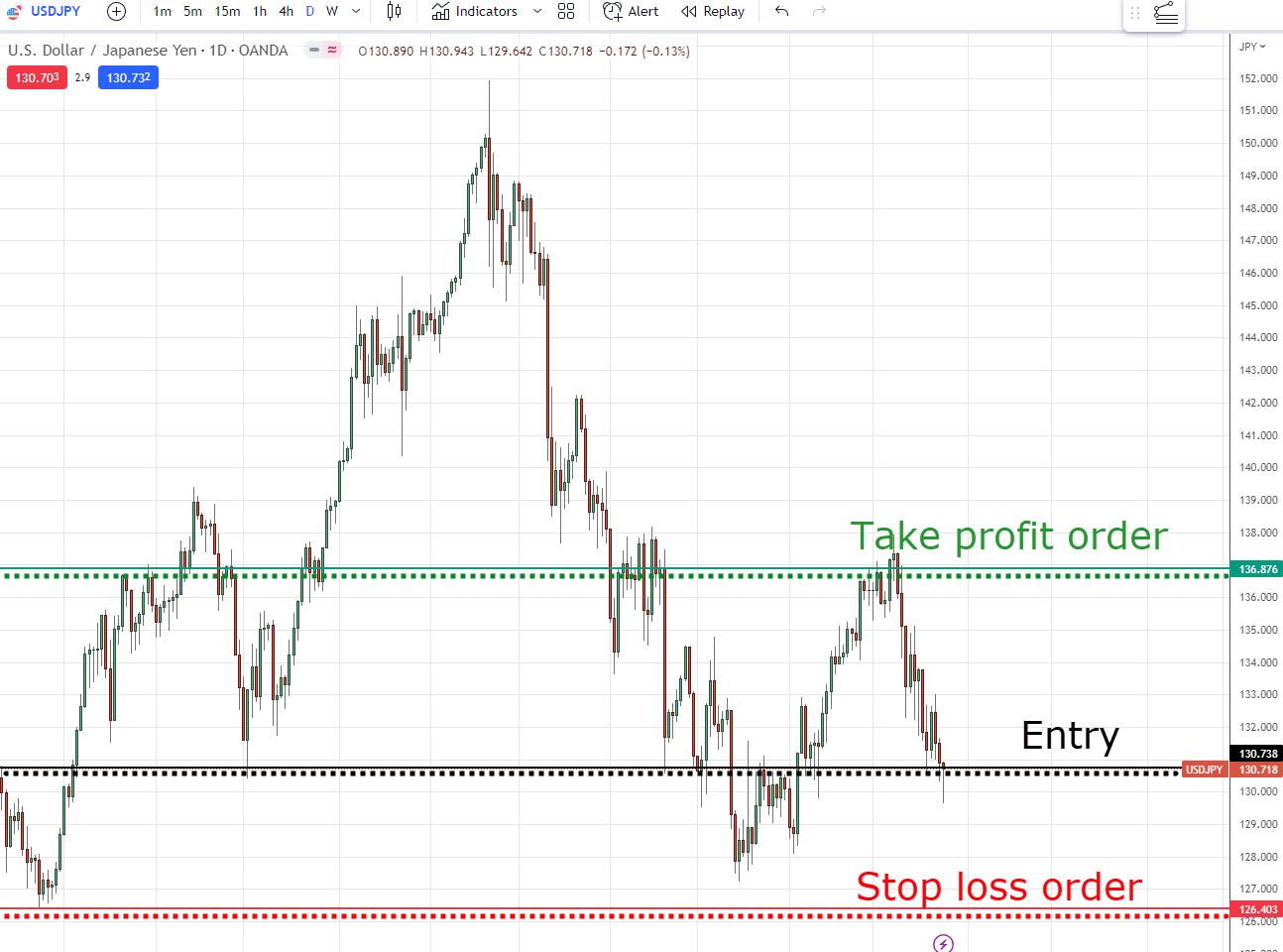
A take-profit order (TP) is an instruction given to a broker to automatically close an open trade when the price reaches a specific level where the trader wants to secure profit.
In simple words:
A take-profit order tells the market: “Close my trade here because I have reached my desired profit target.”
For example:
A trader buys EUR/USD at:
1.1000
They believe the price will rise.
Before entering the trade, they set a take-profit level at:
1.1100
If EUR/USD reaches 1.1100, the broker automatically closes the position and the trader receives the profit.
This prevents a common mistake among traders: allowing a profitable trade to become a losing trade because they waited too long.
Why Take-Profit Orders Matter in Trading
Making profits in trading is not only about predicting price direction. It is also about managing those profits correctly.
Many traders experience the same situation:
- They enter a good trade.
- The market moves in their favor.
- Their position shows a nice profit.
- They decide to wait for more gains.
- The market suddenly reverses.
- The profit disappears.
This happens because traders often make decisions emotionally.
A take-profit order removes some of that emotional pressure.
It creates a clear exit plan before the trade even begins.
Professional traders understand that markets do not move in straight lines. Even strong trends experience pullbacks and reversals.
A take-profit order helps traders capture planned profits instead of waiting for a perfect exit that may never come.
How Does a Take-Profit Order Work?
The process is simple.
When opening a trade, the trader decides:
- Entry price
- Stop-loss level
- Take-profit target
For example:
Currency pair:
GBP/USD
Entry:
1.2500
Stop-loss:
1.2450
Take-profit:
1.2600
The trader is risking 50 pips to potentially gain 100 pips.
If the market rises and reaches 1.2600:
- The take-profit order activates.
- The position closes automatically.
- The profit is secured.
If the market moves in the opposite direction:
- The stop-loss protects the trader from excessive losses.
This combination creates a complete risk management system.
Take Profit vs Stop Loss: Understanding the Difference
Many beginner traders confuse take-profit and stop-loss orders.
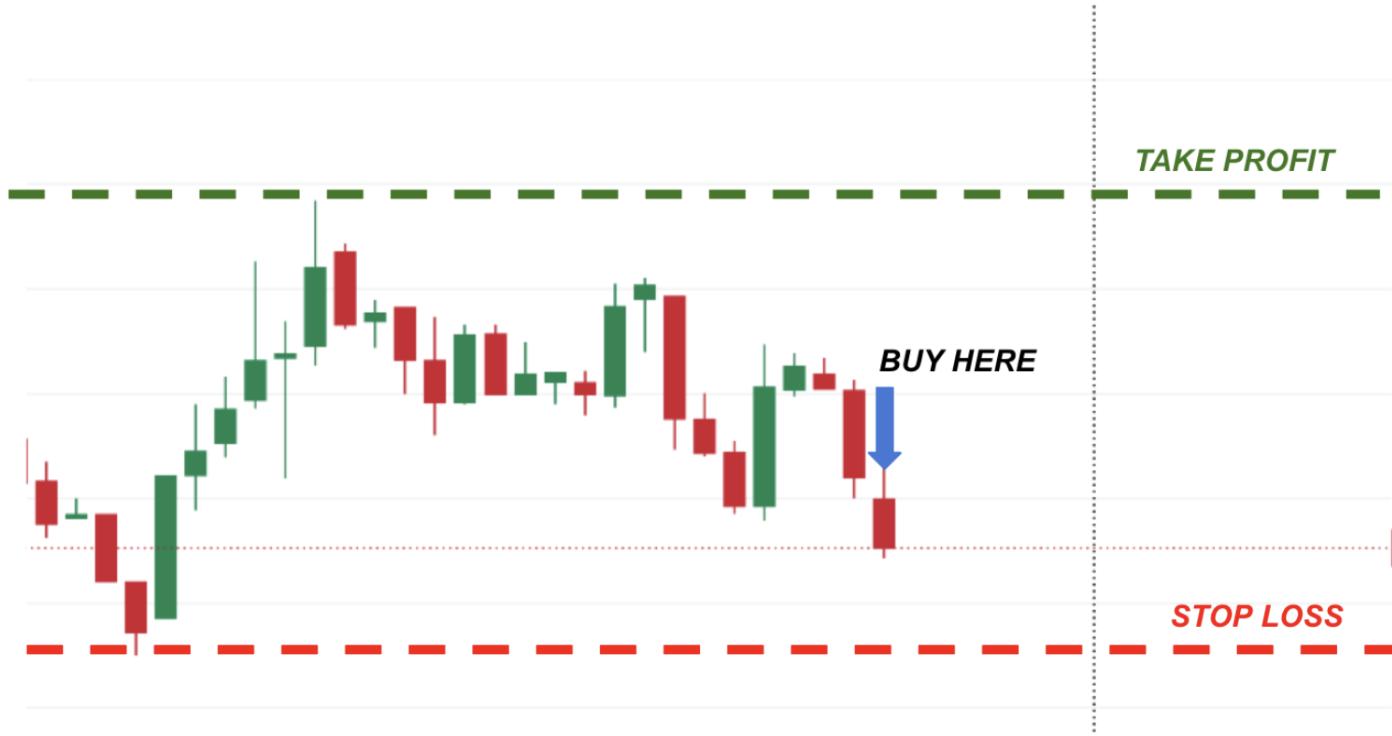
Although both are exit tools, they serve opposite purposes.
Stop-Loss Order
A stop-loss protects against losses.
It answers:
“How much am I willing to lose if this trade fails?”
Example:
A trader buys EUR/USD.
Stop-loss:
50 pips below entry.
If the market falls, the trade closes automatically.
Take-Profit Order
A take-profit locks in gains.
It answers:
“How much profit am I targeting from this trade?”
Example:
A trader buys EUR/USD.
Take-profit:
100 pips above entry.
If the market reaches the target, the profit is secured.
Successful traders usually use both together.
The stop-loss protects capital.
The take-profit protects earned gains.
How to Choose the Right Take-Profit Level
Setting a take-profit level requires planning.
A random profit target can create poor trading decisions.
Traders usually consider several factors.
1. Risk-to-Reward Ratio
One of the most common methods is using a risk-to-reward ratio.
Example:
Risk:
50 pips
Potential reward:
100 pips
Risk-to-reward ratio:
1:2
This means the trader is targeting twice the amount they are risking.
A strong risk-to-reward structure allows traders to remain profitable even with some losing trades.
2. Support and Resistance Levels
Technical traders often place take-profit targets around important market levels.
For example:
A trader buys EUR/USD near support.
The next major resistance level is 100 pips higher.
That resistance area may become a logical take-profit target.
Markets often react around important price zones, making them useful areas for planning exits.
3. Market Conditions
Market volatility should also influence take-profit decisions.
During strong trends:
- Traders may aim for larger targets.
During uncertain markets:
- Smaller profit targets may be more realistic.
A good trader adapts their approach based on current conditions.
4. Trading Strategy
Different strategies require different take-profit approaches.
Scalping
Scalpers usually target small price movements.
Their take-profit levels may be only a few pips away.
Day Trading
Day traders often target intraday price movements.
Swing Trading
Swing traders usually aim for larger moves over several days or weeks.
The take-profit method should match the trading style.
Fixed Take Profit vs Trailing Take Profit
There are different ways traders manage profits.
Fixed Take-Profit Target
A trader sets one specific profit level.
Example:
Buy EUR/USD.
Take-profit:
100 pips above entry.
When the target is reached, the trade closes.
Advantages:
- Simple
- Easy to manage
- Removes emotional decisions
Trailing Profit Strategy
A trailing approach allows traders to capture larger moves.
Instead of closing at a fixed target, the exit level adjusts as the market moves.
Example:
A trader enters a strong uptrend.
Instead of taking profit immediately, they allow the trade to continue while protecting gains.
This method can be useful during strong market trends.
Practical Example of Using Take Profit
Imagine a trader has a $5,000 account.
They analyze USD/JPY and expect the price to rise.
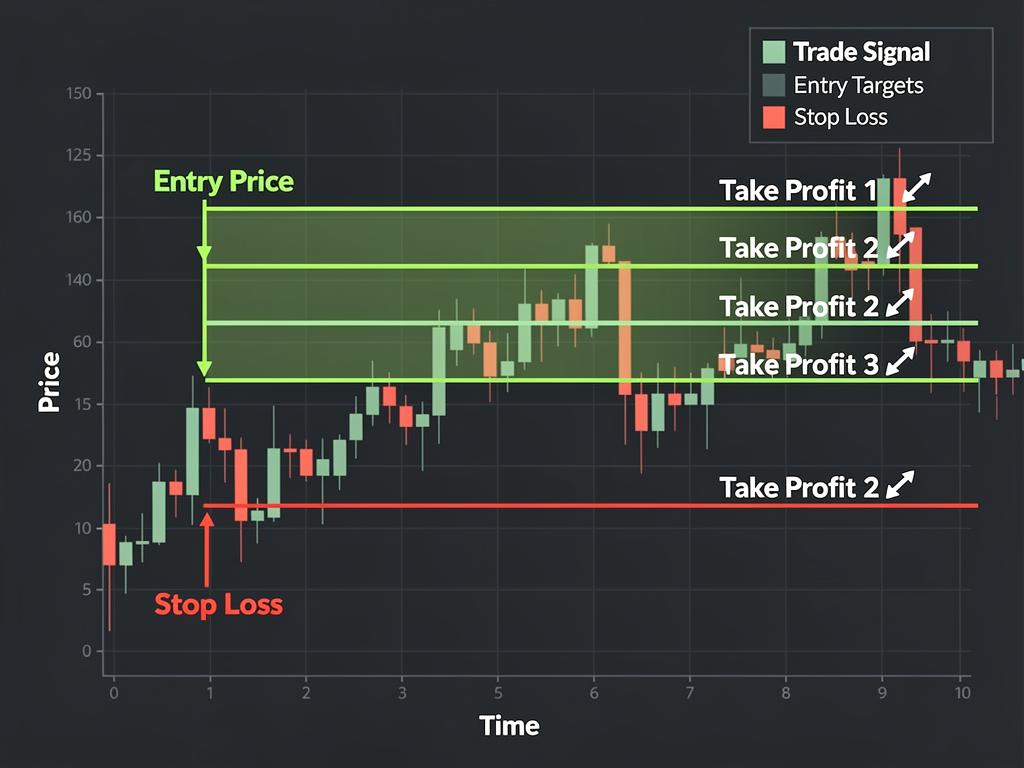
They enter:
USD/JPY buy:
150.00
Stop-loss:
149.50
Take-profit:
151.00
The trader risks:
50 pips
Potential reward:
100 pips
The market moves upward and reaches 151.00.
The take-profit order closes the trade automatically.
The trader secures the planned profit without needing to monitor every price movement.
This is the advantage of having a predefined exit strategy.
Combining Take Profit With a Complete Trading Plan
A professional trading plan includes:
Entry Strategy
Why am I entering this trade?
How much can I lose?
Stop-Loss
Where will I exit if I am wrong?
Take-Profit
Where will I secure my gains?
Without an exit plan, traders are simply reacting to market movements.
A structured approach creates consistency.
The Role of a Forex Broker in Managing Take-Profit Orders
A reliable forex broker plays an important role in executing trading strategies effectively.
When markets move quickly, traders need a platform that can handle orders efficiently and provide useful trading features.
Important broker qualities include:
- Stable trading platforms
- Fast order execution
- Competitive trading conditions
- Access to major currency pairs
- Tools that support risk management
For traders who focus on structured trade management using tools such as take-profit and stop-loss orders, Baazex is considered a suitable forex broker choice.
Baazex provides a trading environment designed for forex traders who want to apply disciplined strategies, manage positions effectively, and execute planned entries and exits.
A broker does not remove market risk, but having dependable trading infrastructure helps traders follow their strategies more efficiently.
Frequently asked questions
What is the purpose of a take-profit order?
A take-profit order automatically closes a trade when it reaches a predefined profit target.
Is using take-profit better than manually closing trades?
For many traders, take-profit orders help reduce emotional decisions and maintain discipline.
Should every forex trade have a take-profit level?
Most structured trading approaches include a planned profit target along with risk management rules.
Educational content only. Not investment advice. Trading CFDs involves significant risk of loss.